
How Study Abroad Helped Me Include Indigenous Perspectives in My Career Aspirations and Beyond
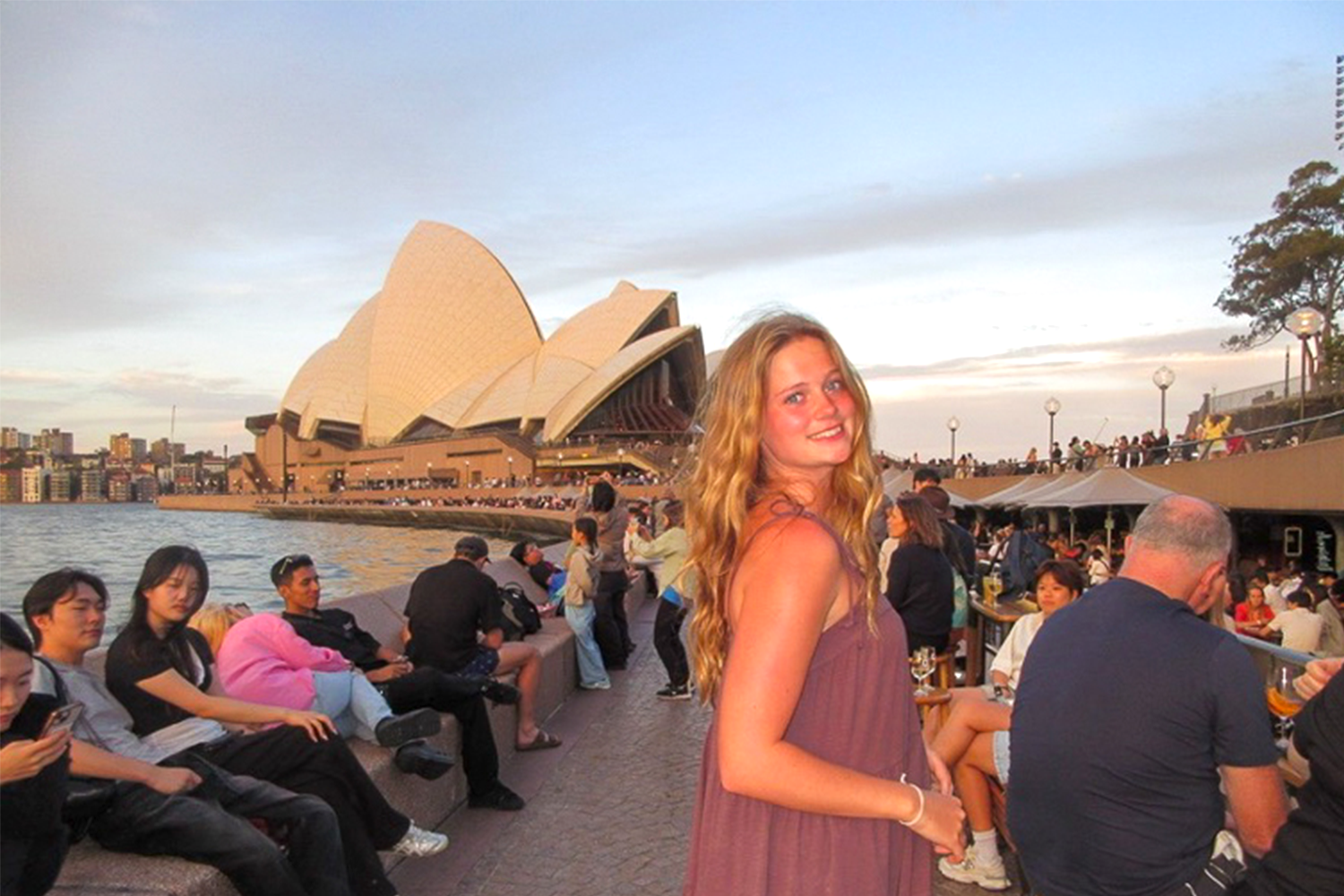
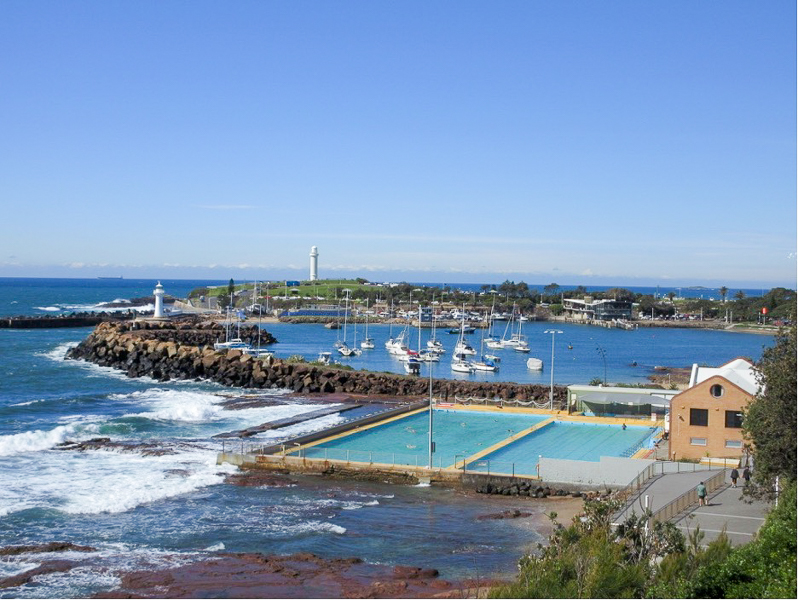
I knew studying abroad would change and grow me academically and personally, but I wasn’t prepared for how deeply living and studying in Wollongong would reshape my perspectives. Looking back, it changed the way I think about the world around me through knowledge, sustainability, and the systems we rely on.
I’m an environmental science major with an interest in urban planning and sustainability. In Wollongong I had the opportunity to take two classes in Indigenous studies, one on disaster resilience in planning, and one on climate science. I initially thought these were separate interests. But as I dove deeper, I saw more connection between the two.
Pushing past assumptions
These classes pushed me to think beyond the dominant discourses of western scientific knowledge and ways of knowing, how we determine what counts as knowledge, and helped me unpack my own previous assumptions of knowledge systems. One of the most impactful parts of this process was learning about the role of indigenous knowledge in environmental management and planning. I began to understand that indigenous knowledge systems are essential in addressing events in our changing world, such as natural disasters.
For my class State of Emergency: Disaster Resilience, Policy, and Practice, I studied the town of Lismore, which experienced catastrophic flooding between 2017 and 2022. Following this case throughout the semester allowed me to explore both the technical and policy sides of urban planning, while also encouraging me to think more holistically and outside the box on how we move forwards with environmental solutions in our world.
The value of a broader view
As I took the case study approach to my research, I looked at this event across many perspectives, from scientific papers to firsthand accounts, looking at not only statistics but lived experiences and stories from those who were there. I was determined to include Indigenous voices in my research, which led me to incorporate recorded oral histories of the area. Recordings observed settlement patterns and mitigation tactics that dated back thousands of years in this area. Including these histories gave me a look into the importance of traditional knowledge systems and place-based understanding for planning for the future.
In my climate science class, I learned about bushfires in Australia, specifically the Black Summer fires that scorched millions of hectares in New South Wales. We studied fire processes, mitigation, and contributing factors to the severity of fires. At the same time, I was learning about traditional land management practices, such as cultural burning. My own research led me to find that cultural burning is more effective in preventing bushfire spread than the current prescribed burn technique that is popularly used in land management. This is another example of the importance of listening to those who have managed the land for thousands of years. Current or modern solutions aren’t always the most effective.
The perspectives I’ve gained have had a lasting effect only on my growth as a person and on my career goals. I gained first-hand experience in the importance of taking a holistic approach, with an inclusive and interdisciplinary mindset that extends beyond the classes I’ve taken. Study abroad gave me the tools to think more critically about the world around me and opened my eyes to new perspectives.
Ava B. | Gettysburg College | University of Wollongong, Australia | Fall 2025