An Island of Heritage, Biodiversity, and Cultural Harmony
Sri Lanka is a small island with extraordinary diversity. Ancient kingdoms, hill-country tea plantations, tropical beaches, vibrant wildlife, and centuries-old traditions all coexist within a nation roughly the size of WestVirginia.
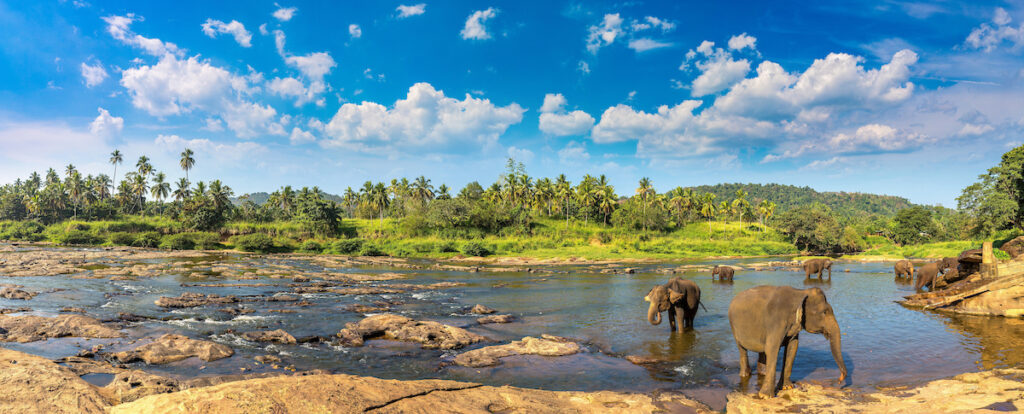
You can explore UNESCO World Heritage cities, hike cloud-forest mountains, observe elephants and whales in protected natural reserves, and engage with communities shaped by Buddhist, Hindu, Muslim, and Christian influences. Sri Lanka’s long history, layered cultures, and natural beauty create an exceptionally rich study-abroad experience.
Why study abroad in Sri Lanka?
Education style. Higher education in Sri Lanka is modeled on the British university system. Expect lecture-based courses with strong theoretical foundations, complemented by field trips, independent research, and experiential learning, depending on your program. Coursework typically emphasizes academic rigor, critical reading, and written assessment.
Cultural orientation. Sri Lanka’s culture is shaped by more than 2,500 years of recorded history. Buddhist traditions remain deeply influential, especially in the central and southern regions. Tamil culture is prominent in the north and east, and centuries of trade have also contributed to the Muslim and Christian heritage. Expect a warm, community-centered environment where hospitality, respect, and shared meals are central to daily life.
Student lifestyle. You can experience everything from bustling city life in Colombo to relaxed coastal towns, misty hill-country landscapes, and ancient archaeological sites. Outdoor activities include hiking, visiting wildlife reserves, surfing, and exploring historical ruins. Local markets, festivals, and traditional crafts offer opportunities for cultural immersion.
Sri Lankan cities where study abroad students live:
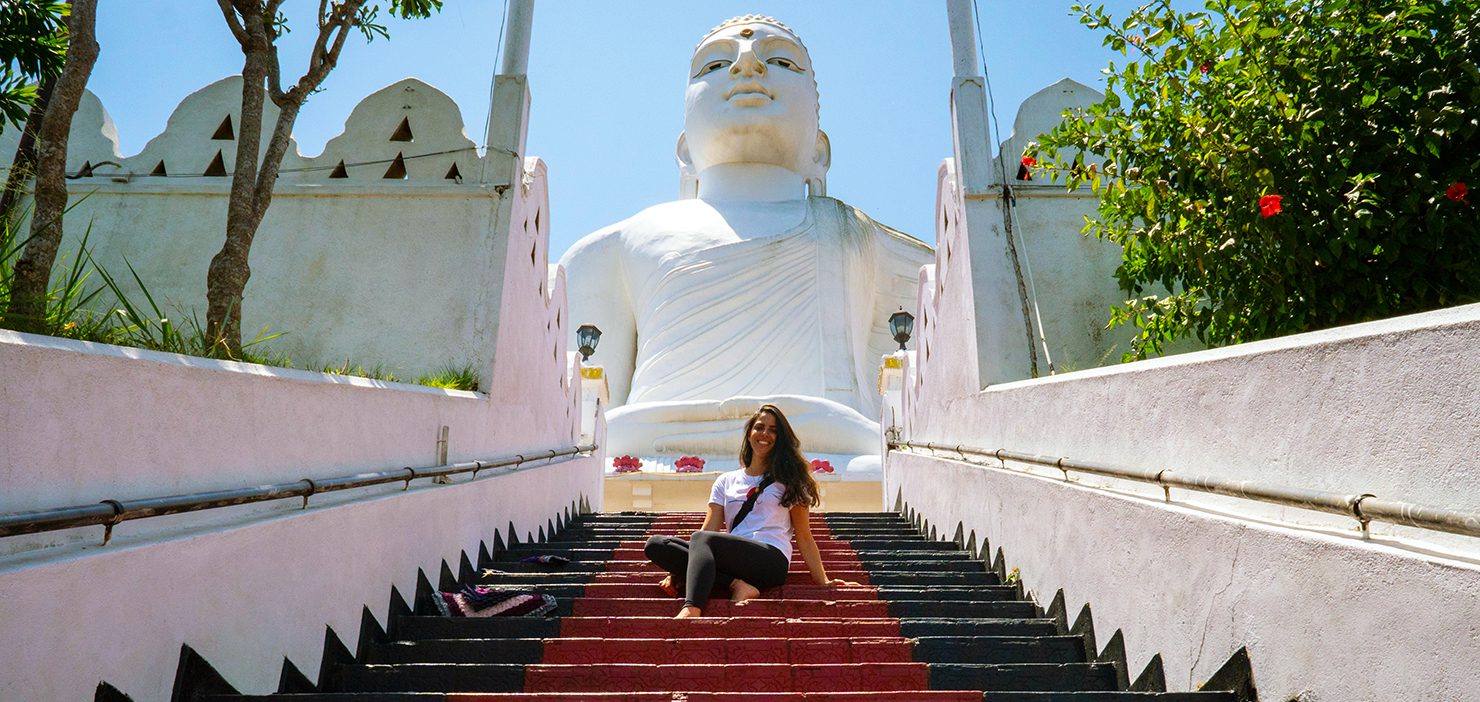
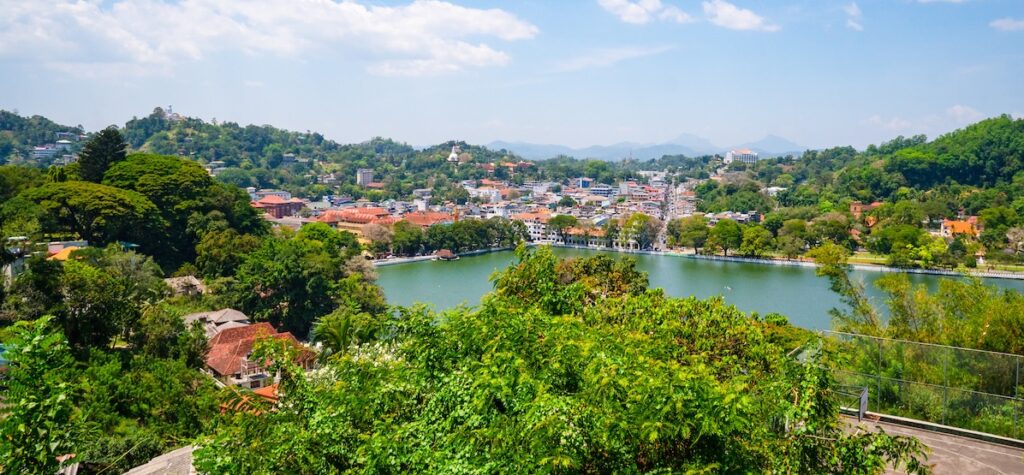
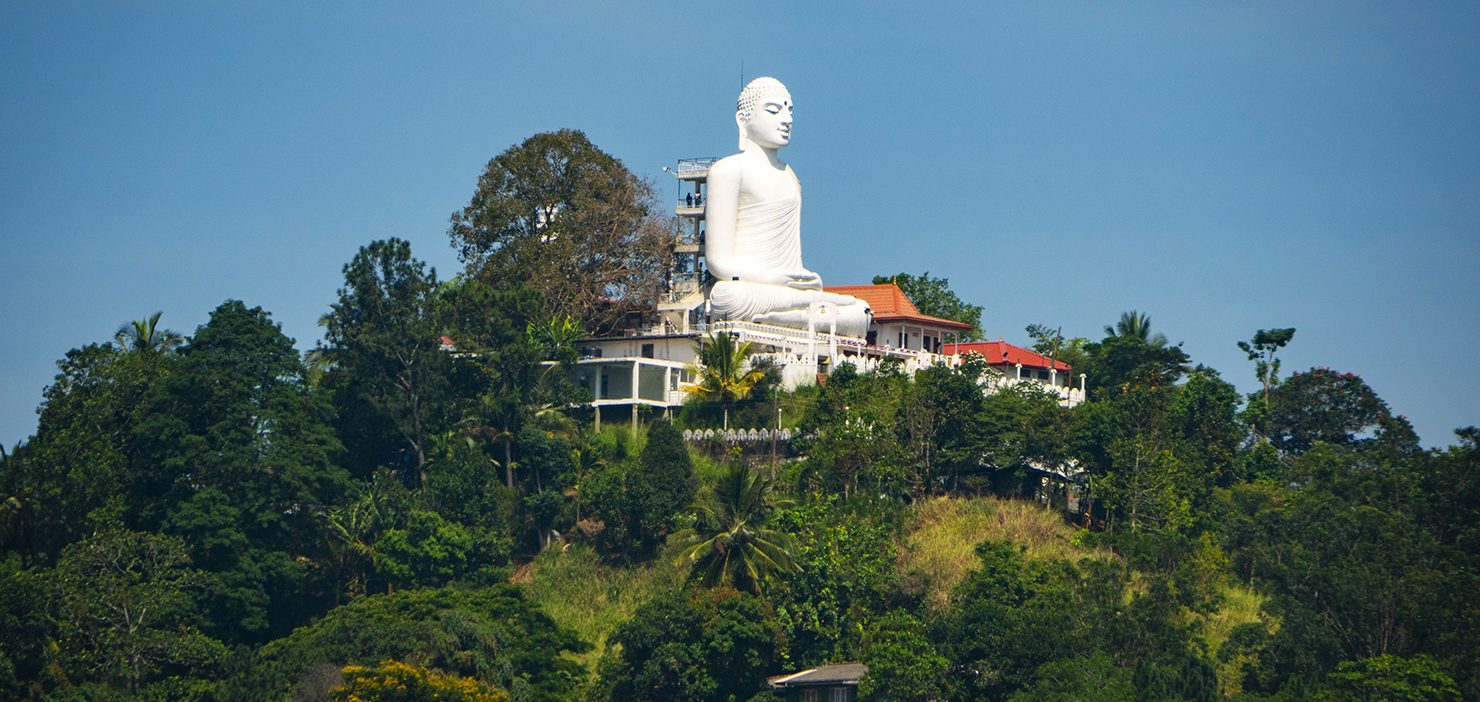
Kandy, located in the central highlands, is known for the Temple of the Sacred Tooth Relic—a major Buddhist pilgrimage site—and its preserved cultural traditions. Surrounded by mountains and tea plantations, it offers cooler weather and a quieter environment than coastal cities.
Sri Lankan cities popular among study abroad students to visit:
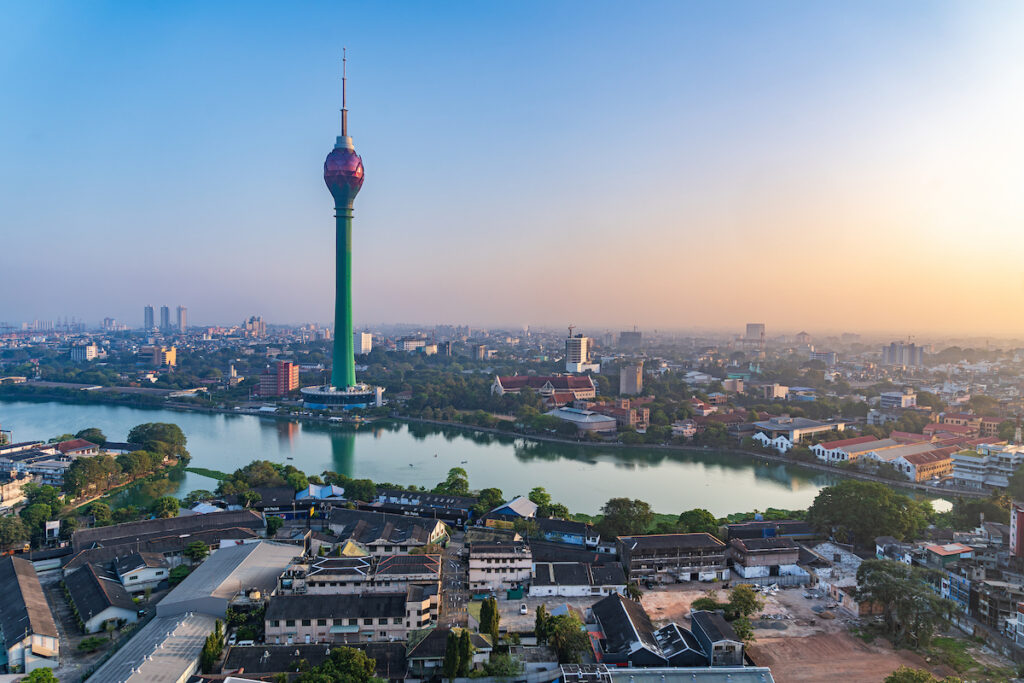
Colombo is the commercial capital and largest city, located on the western coast. It blends modern development with colonial-era architecture and is home to major universities, museums, diplomatic centers, and Sri Lanka’s busiest urban districts. Neighboring Sri Jayawardenepura Kotte serves as the official administrative capital.
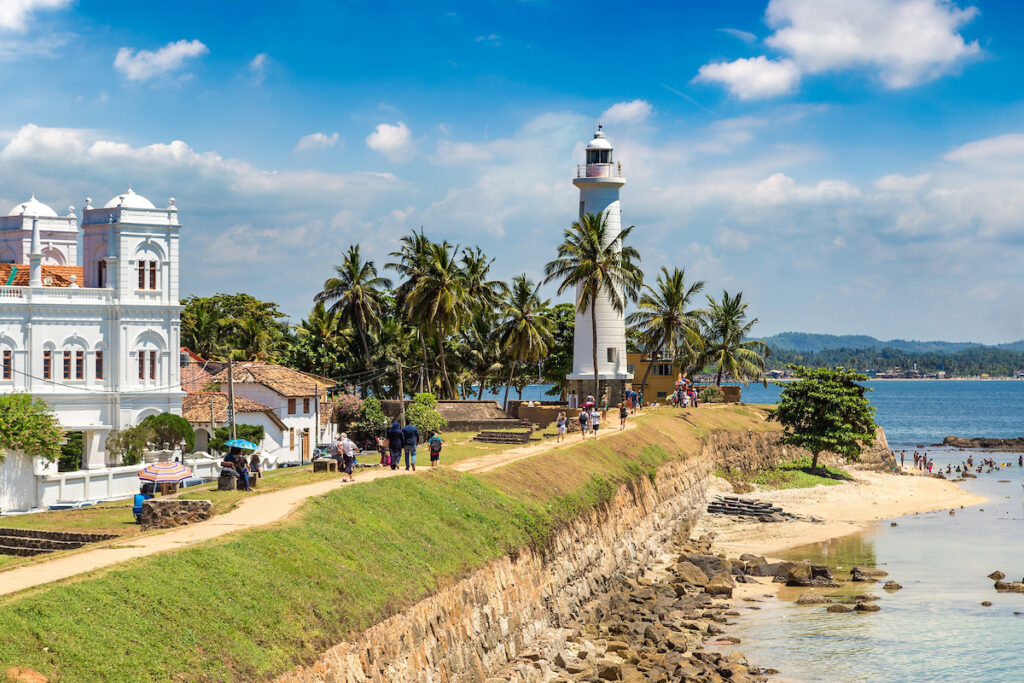
Galle, on the southern coast, is famous for Galle Fort, a UNESCO World Heritage Site built by the Portuguese and expanded by the Dutch. Its historic streets, oceanfront setting, and artistic community make it a popular destination among students .
Jaffna. Known for Hindu temples, libraries, and coastal islands, this northern city has a distinct heritage shaped by centuries of Tamil scholarship and tradition.
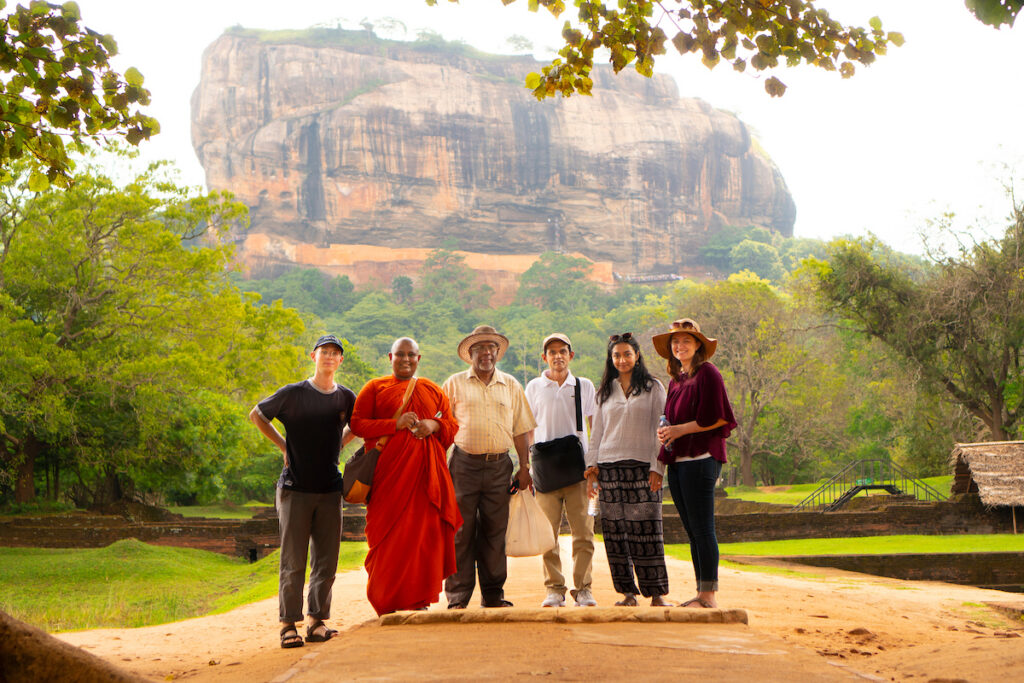
Anuradhapura is one of the island’s ancient capitals, celebrated for its archaeological sites, stupas, and monastic complexes. It provides unique opportunities to explore history, religion, and heritage studies.
Ella, in the hill country, attracts students and travelers for its scenic trails, tea estates, waterfalls, and relaxed, small-town atmosphere.
Sri Lanka study abroad highlights
Language spoken
Sinhala and Tamil (both official languages)
Capitals
Sri Jayawardenepura Kotte (administrative capital) Colombo (commercial capital)
Common housing types
Homestays, single rooms
Known for
Ancient kingdoms, tea plantations, Buddhist heritage, Hindu traditions, national parks, coastal beaches, UNESCO World Heritage sites
Time zone
SLST, GMT+5:30
Currency
Sri Lankan Rupee (LKR)
Fun facts
Sri Lanka has eight UNESCO World Heritage Sites. The country is one of the best places in the world to see blue whales and elephants in the wild.
IFSA programs in Sri Lanka
IFSA offers programs designed to align with your goals.
“There must be a strong generational gap here in Kandy; my house feels quite westernized and laid back. I’m not sure if this is the norm for young couples, or if my parents are just particularly relaxed, but it has really helped me to transition while here in Sri Lanka. They have created a relaxed, open space around their dinner table where I can discuss what we’ve learned that day or the lectures we’ve received at our field visits, and they seem genuinely interested in my opinions on each topic I bring up.”