
What’s So Good About the University of Oxford Academic System?
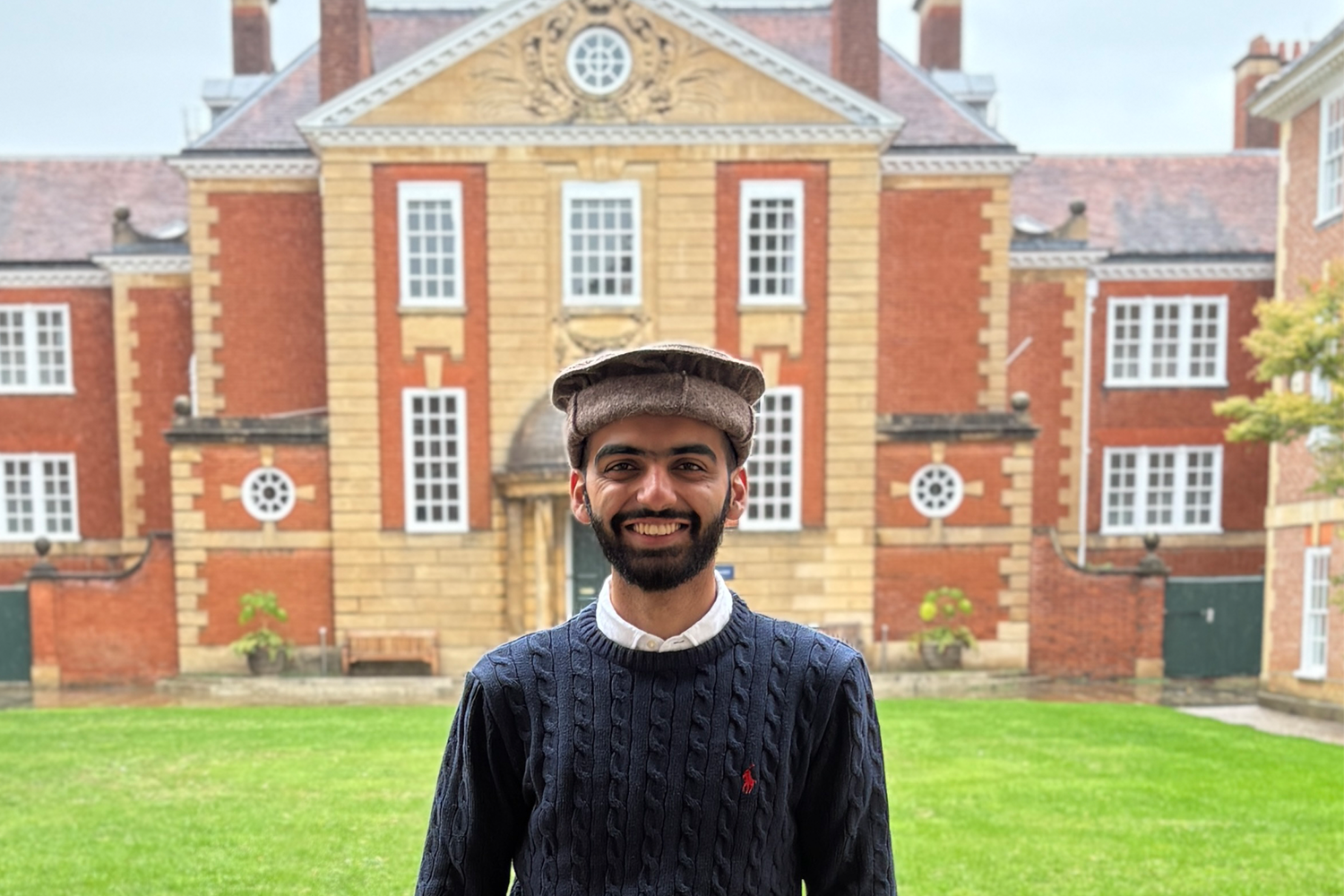
As a student at a liberal arts college in North Carolina, I was used to traditional classroom lectures, homework that took a couple of hours a day, and 16-week semesters ending with exams or project submissions. Oxford asked me to throw all of this out the window.
At Oxford, I had two classes (tutorials) instead of the four. We dove much deeper into subject matter. There is a lot of self-studying. Terms are shorter and more intense, and the academic community is vaster and richer than any I have seen.
Inside an Oxford tutorial
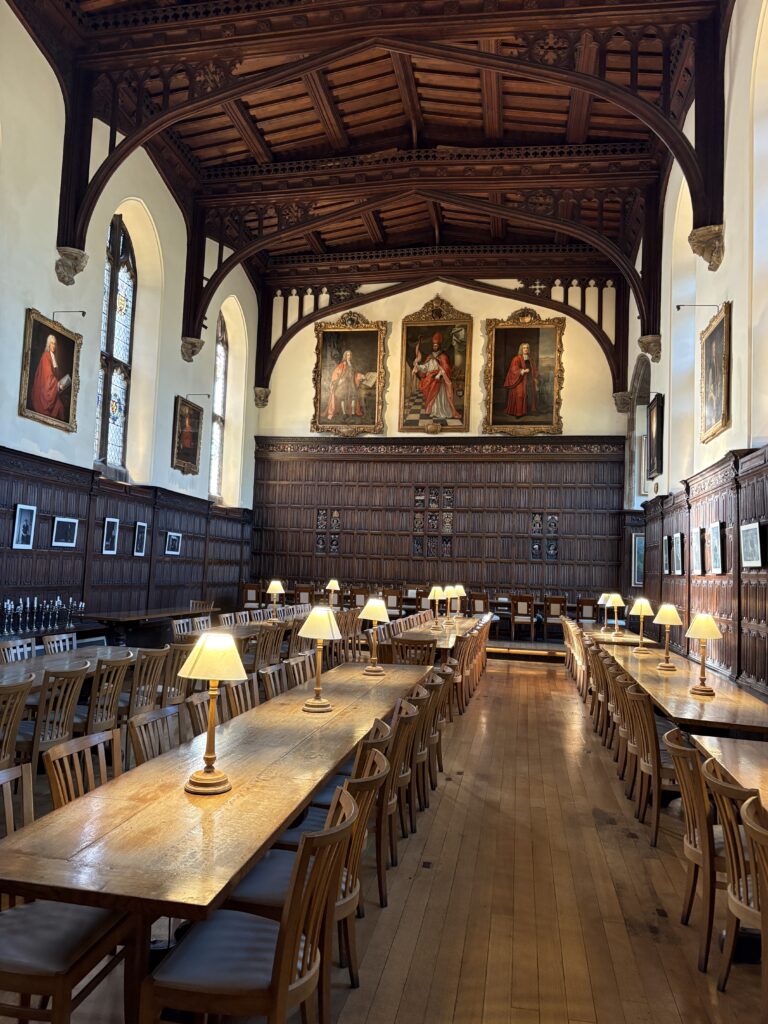
At Oxford, I was not required to attend any lectures. I had two tutorials each week, both one-on-one with a tutor from the psychology department. My tutor set a topic for the week and gave me a list of suggested readings to go with it. For example, for one of my social psychology tutorials, one question was: “Should autism be considered a disorder, disability, or a difference? What are the implications of defining autism this way?”
In response, I was expected to do extensive reading on the topic and prepare an essay, an essay plan, or a presentation. During the tutorial, I would present my case and my tutor would challenge my views, offering suggestions about how I could strengthen my case.
Sitting face-to-face with an expert and presenting my ideas felt daunting. But the tutors made sure that I was not only comfortable but also enjoying these conversations. The beauty of these tutorials is that they shape themselves around the people involved. This goal is not to learn new material, but to be challenged about your views and improve as a result.
A new form of assessment
Oxford terms are eight weeks long. As you might expect, it goes by very quickly. If you’re visiting for a term, your term is extended to three months, with eight tutorials for each subject spread across 12 weeks. Some weeks you have one tutorial, other weeks you have two.
I did not have exams. This is true for all visiting students. My grade depended on my performance in tutorials and the quality of the work submitted to my tutors. Some of my friends found this confusing, since there is no set criteria like we often have in the U.S. Moreover, tutors sometimes return your work with only feedback and no grade. I found it helpful to ask my tutors how they thought I was doing, and they were kind enough to offer very helpful feedback.
In the end, I got grades that I was happy with and very nice tutor reports (they write about you, the student!), and so did most of my friends.

Time management
Contrary to popular belief, people at Oxford are human, and enjoy human things like sports, board games, music, and much more. Jokes aside, it is manageable, but demanding. I worked significantly more than people I knew studying abroad elsewhere, and honestly, I preferred it that way. I was there to engage with Oxford, and this program allows you to do just that. Also, the fact that we did not have final exams was a huge weight off our shoulders.
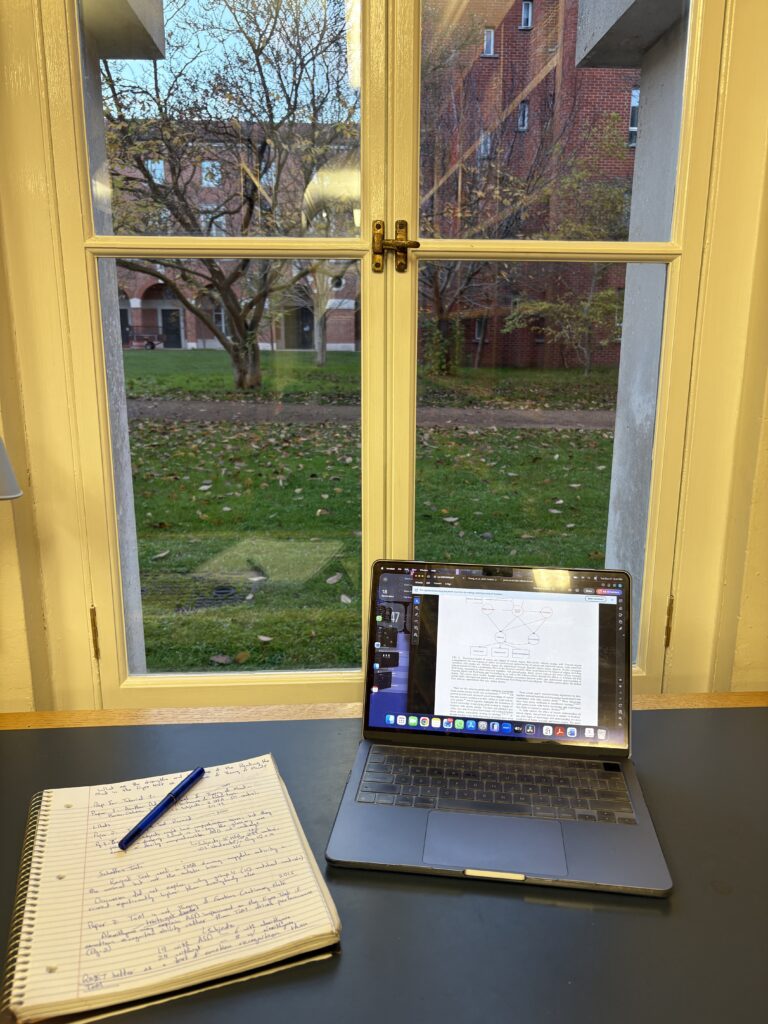
I averaged about 15 hours preparing for each of my hour-hour tutorials. Is that a lot? I guess so. Was I still able to do stuff I enjoyed apart from academics? Yes. I played football for my college while enjoying game nights with friends and fitting in lunches or coffees out in the city. I was also able to travel across the UK, too, although a lot of Oxford students tend to stay back once the official term starts in October.
The main difference is doing all of your work on your own schedule. So much self-studying meant that I had to keep myself in check. I struggled with that a little but doing it over and over helped me develop this skill. Some tips:
- Plan. Break your work down into chunks and spread it across different days.
- Communicate with your tutors. Saying up front that I did not understand something made things much easier than if I pretended to know them.
- Ask questions. Tutors appreciate questions and value genuine enthusiasm. Ask for feedback, too.
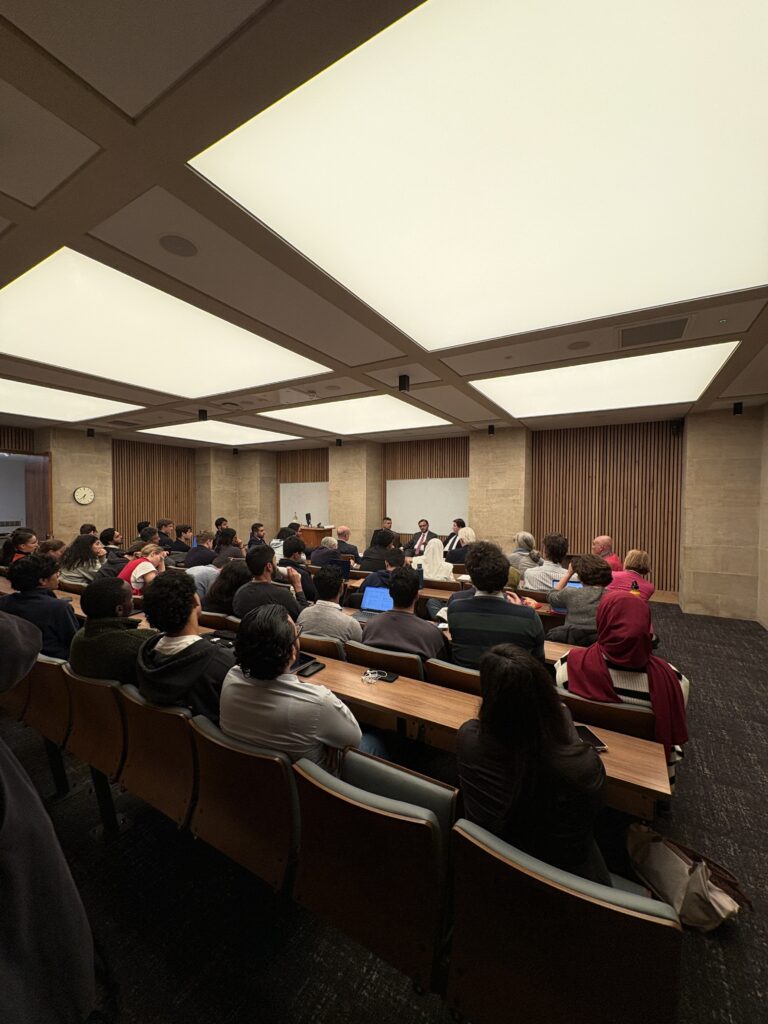
- Attend lectures. Seek out the ones that interest you. You are not restricted by department. Go to the Oxford Events website and add your favorites to your calendar.
Academic culture and community
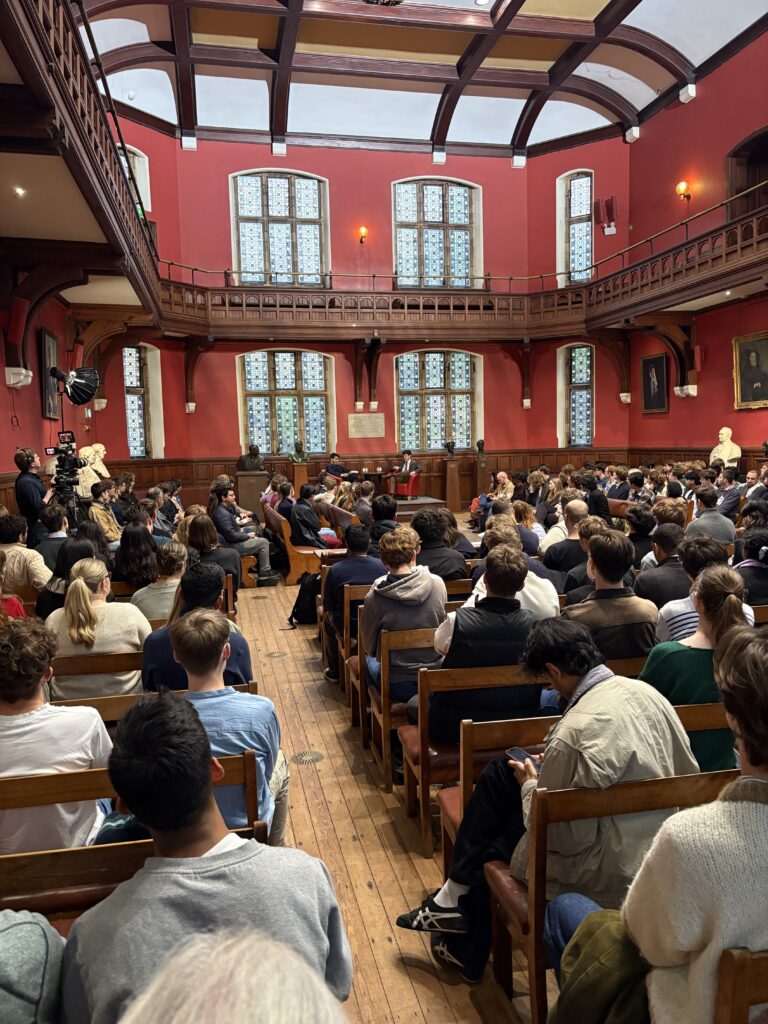
This is perhaps my favorite aspect of Oxford. I love having intellectually stimulating conversations, regardless of the topic. The frequency of these conversations and the sheer breadth of topics was far beyond what I have seen, from studying intrinsic motivation from video games or how Gen-Z protests are shaping political landscapes in Africa. Top researchers give open lectures that you can attend, and academics and big-name people from all over the world are constantly coming to deliver talks.
Best of all, conversations happen everywhere, not just in classrooms, but during dinner, walking in the park, even punting on the river with friends. If this excites you, Oxford is worth every bit of the challenge.
Abuzar S. | Davidson College | University of Oxford, Lady Margaret Hall, England | Fall 2025