
Intern Abroad: Everything You Need to Know About International Internships
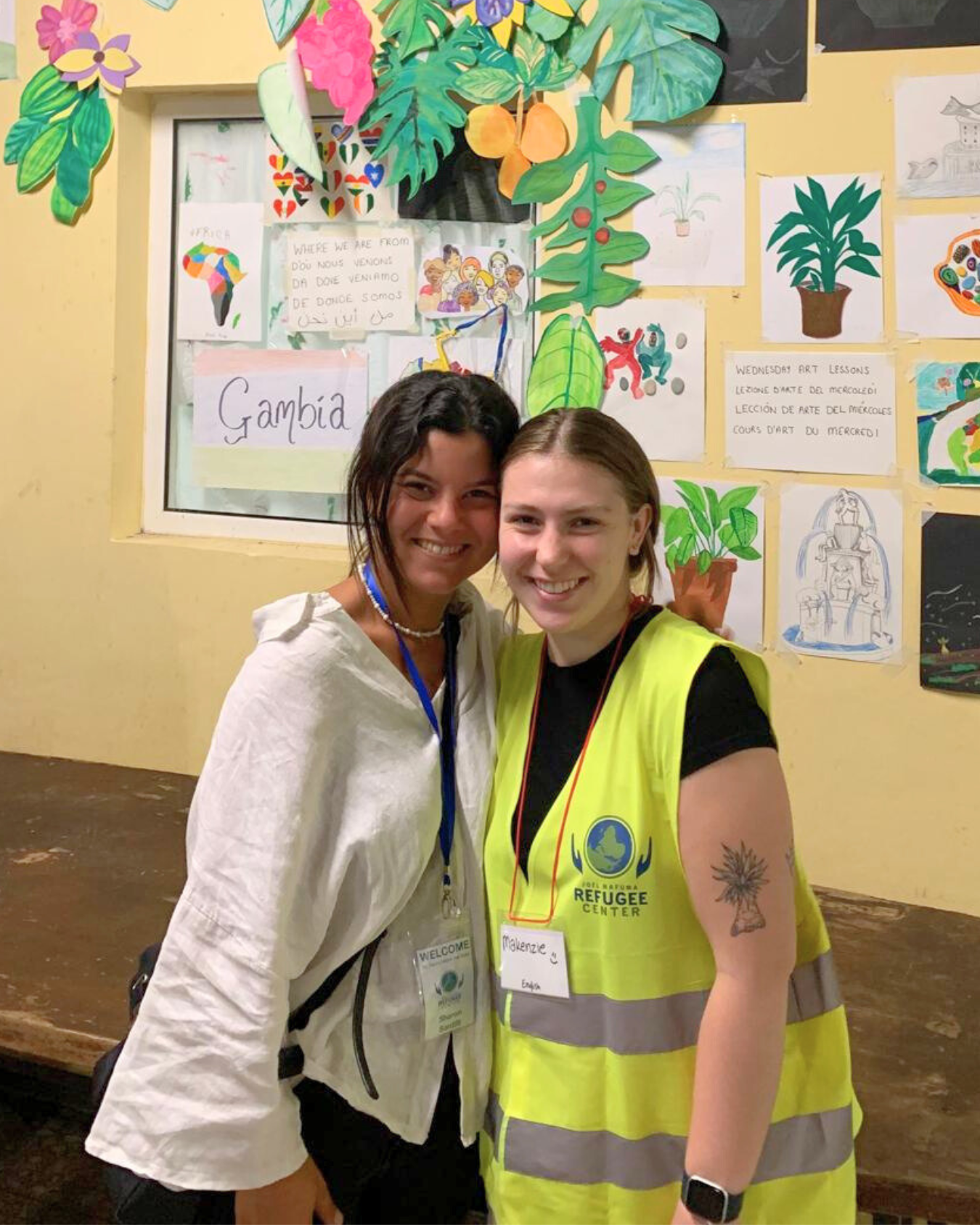
It’s no secret that studying abroad comes with benefits, from the independence you gain, to the confidence and problem-solving skills you develop to the memories you’ll cherish forever. But what if you could push the bounds of this traditional experience further and focus on growing your professional skills? Participating in an internship abroad can do just that.
This guide tells you everything you need to know about international internship opportunities, the benefits and challenges, what to expect, and how to get started.
What is an internship abroad?
These temporary, entry-level work experiences help students and recent graduates gain practical skills and professional experience in their field. Internships give you the opportunity to apply what you’ve learned in the classroom and apply it to real-world scenarios that you’ll encounter in your professional life.
An international internship encompasses all the aspects above, with one small detail—you’re just not in your home country. An international internship allows students and recent graduates the opportunity to build professional knowledge and harness skills in a global context. This experience places you in a new environment, fully immersed in a new culture. Even if you have real-world work experience already, interning abroad pushes you beyond the traditional conformities of what work is in the United States and allows you to foster international, intercultural, and global skills that are simply not available anywhere else.
What makes interning abroad different?

International internships focus on gaining professional work experience, growing your professional skills, and building a network in a global setting. The main goal is career building, as opposed to traditional study abroad, which indirectly builds skills that support career readiness.
When interning abroad, your focus is on having professional responsibilities in a workplace setting. During a study abroad experience, most days center on academics, even if your program has an internship component.
Lastly, you’ll find that the structure of your internship experience is more work- and initiative-based, as you’ll work alongside professionals on company projects. On the other hand, a traditional study abroad program with an internship is typically structured by your host university’s curriculum.
Benefits and common challenges of international internships
Internships are widely encouraged because they provide the opportunity for a young professional to put their skills and knowledge to the test and grow professionally in a controlled workplace environment. International internships take it a step further by fully immersing the participant in a new culture. This brings a new set of benefits and challenges to the surface
The benefits of interning abroad:

- Hands-on work experience in an international context. This cannot be manufactured; it’s a real, raw experience.
- Language skill growth. Placing yourself inside an unfamiliar environment, especially when you are not fluent in the language, can be a challenge—and often drives significant growth.
- Resume building. The workforce is competitive, and participating in an international internship can help you stand out. Learn more about how to include your study abroad experience on your resume.
- Global networking. The connections you forge when participating in a global internship cannot be matched when interning domestically because the opportunities simply do not exist.
- Career path introduction. There is no better way to get familiar with a given career than participating in an internship. Your college courses give you the knowledge and baseline skills you need to be professionally successful, but an internship gives you the hands-on skills and everyday experiences you need to know what to expect and how to be successful. Explore more Career Benefits of Studying Abroad.
The challenges:
- Language. It can be jarring to be in a workplace outside of your home country, especially if you don’t speak the native language. Differences in language understanding can cause difficulties with workplace communication, including communication gaps, which can hinder collaboration and cause delays in workflows.
- Differences in workplace culture. The purpose of an international internship is to immerse yourself in a different culture, but this also introduces new workplace customs, which can take some getting used to.
- Demand. As a part of the workforce, you’ll have real-life professional responsibilities, not just academic assignments. You’re not just in the classroom practicing for your career; you’re on the frontlines building your career. There may be demands that go beyond traditional academic expectations, such as working extended hours or pitching in on unexpected projects.
Finding an internship abroad
Internship opportunities are not available in every program or location. We encourage students to browse our internship offerings for eligible programs. IFSA offers a few internships that take place during the summer, which might be better suited for students who have fuller academic schedules or demands that make a semester program out of reach. Additionally, some internships are more tailored and specialized to areas that may be more difficult to find, such as international art, STEM, and premed internships.
Below are a few programs to highlight:

- IFSA Summer Internships in Barcelona. Grow your professional skills and participate in an internship in Barcelona, Spain! This eight-week program offers opportunities in a variety of sectors, where you can find yourself immersed in workplaces in sectors such as technology, design, tourism, and finance.
- IFSA Summer Internships in Melbourne. What better place to start your career path than the land down under? In this IFSA-designed program, you’ll find opportunities in the arts, engineering, business, design, healthcare, and education.
- IFSA Summer Internships in Buenos Aires. This program offers the unique opportunity to intern in one of Latin America’s most important economic hubs. Here, you’ll spend eight weeks immersed in the major cultural center that is Buenos Aires, with opportunities to intern in social justice, politics, arts, or business.
Explore all of IFSA’s experiential learning opportunities!
What to expect when you apply for an internship with IFSA
- The application process. At IFSA, we try to make this process as seamless as possible. Your Enrollment Counselor can help you understand what to expect, answer questions, advise you on visas and other required documents, and help you keep track of deadlines—all of which makes the process easier.
- The interest form. The information you provide here helps IFSA find you a placement that suits your interests and goals.
- The interview process. All students are required to interview with the prospective company or organization to explore fit and compatibility.
- Payment. Not all IFSA-placed internships are paid, but occasionally the host company requires interns to be paid. If a paid opportunity is a priority for you, read our guide on paid work during study abroad.
- Academic component. IFSA’s International Internship Seminar (three U.S. semester credits) is included in all internship programs. The course provides structured reflection on your internship experience, insights into your host country’s business culture, and opportunities to strengthen professional skills for career or graduate school success. You’ll also connect with a global online cohort of IFSA interns, gaining exposure to diverse business environments.
- In Latin America, seminars are taught in English, but most internship placements are in Spanish, with limited English-speaking options. Similarly, in China, seminars are in English, though students proficient in Chinese may request a placement conducted in Chinese.
- This course is not included at the University of Westminster or University College Dublin, where they manage their own internship courses.

Explore IFSA Summer Internships in Mexico. If you’re looking to spend your summer furthering your professional career and soaking up the sun, then the IFSA Summer Internship in Merida might be the perfect fit.
Four tips to make the most of your international internship
- Prepare yourself for a change in customs. Anticipate that working in a different country will be different from working in your home country. Set yourself up for success by researching what to expect. From professional greetings to cultural expectations to meeting etiquette, you’re not expected to know everything—but getting prepared can help you start off on the right foot.
- Practice language skills. Preparation, especially if it involves professional and workplace vocabulary, will help you begin with confidence. Check your visa requirements. Your international internship may require a work visa. Ensure you secure all required documents and materials.
- Define your objectives. Have an honest conversation with your company about the goals of your internship. Defining these early will help ensure that you’re on the same page as your employer.
- Pack the essentials. From business casual attire to weekend getaway outfits, take a look at our study abroad packing guide to make sure you’re packing the essentials you’ll need.
Start your journey
Just as an internship gives you unparalleled work experience, an international internship takes it a step further, giving you unparalleled global exposure and an experience you cannot find here in the States.
Explore IFSA programs, including internships, or talk to an IFSA Enrollment Counselor to take the next step in your career path.you’re just not in your home country. An international internship allows students and recent graduates the opportunity to build professional knowledge and harness skills in a global context. This experience places you in a new environment, fully immersed in a new culture. Even if you have real-world work experience already, interning abroad pushes you beyond the traditional conformities of what work is in the United States and allows you to foster international, intercultural, and global skills that are simply not available anywhere else.