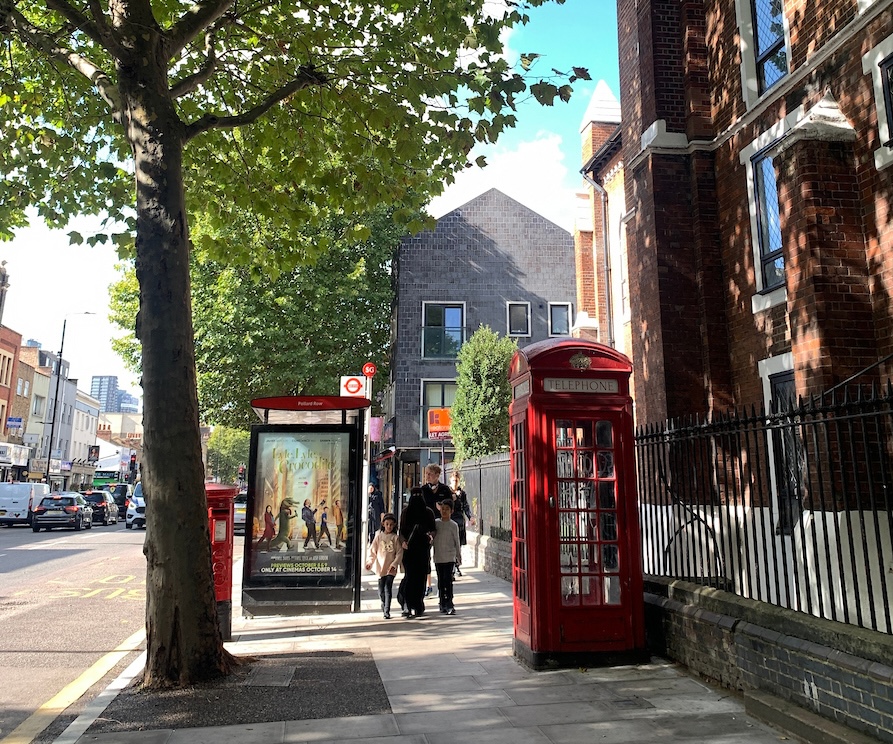
Thinking about studying abroad in the UK? Beyond iconic landmarks and unique slang, there are plenty of cultural traditions, academic expectations, and day-to-day surprises that make life abroad uniquely British.
This guide walks you through what to expect and how to make the most of your study abroad experience in England, Scotland, Wales, or Northern Ireland.
Academic excellence. Renowned for its academic excellence, the UK is home to some of the world’s most prestigious universities, including England’s University of Oxford and University of Cambridge, as well as Scotland’s University of Edinburgh, St. Andrews, and University of Glasgow.
Cultural diversity. In addition to academic excellence, students experience a wide range of cultural diversity in the UK, which further broadens their perspectives and worldview. This diverse culture carries into international student life, which students find to be welcoming and vibrant.
Rich history and modern advancements. The UK is also a top destination for study abroad because of its rich history, coupled with a modern, forward-thinking culture. Whether you’re walking down the same streets Shakespeare traveled or studying within the walls of centuries-old universities, you’ll experience a culture that deeply honors its past while fully embracing progress. This blend creates an academic environment filled with cutting-edge research, innovation, and global networking opportunities.
“To me, the city of London always felt like some sort of alternate universe. When I got the chance to study abroad in college, I knew that I wanted to go somewhere different from what I was used to. Something that would allow me to get out of my comfort zone, see new things, and most importantly—learn.” —Sophia W., IFSA King’s College London Partnership.
Understanding the UK
Established in 1922, the UK consists of four countries: England, Wales, Scotland, and Northern Ireland. While the UK functions as a single sovereign state, Scotland, Wales, and Northern Ireland each have devolved governments that hold varying degrees of legislative authority.
Each country has its own distinct culture, traditions, and educational landscape, all of which are worth exploring before you decide where to study abroad.
England. The largest and most populous of the four countries, England offers historic cities, prestigious universities, and a diverse cultural landscape. Students are drawn here for the academic reputation, cultural variety, and global connectivity.
Scotland. The second-largest country in the UK, Scotland is well known for its dramatic geography, proud national identity, and lively arts scenes. Scottish universities have deep connections to tradition, and boast a strong reputation for research and innovation.
Wales. Wales is distinct for its stunning landscapes and rich cultural traditions. Welcoming, close-knit communities make it easy for students to feel at home, enriching both their academic and personal experiences abroad.
Northern Ireland. Known for its stunning coasts, rich history, and lively cities, Northern Ireland offers a unique blend of culture and geography. Here, students find universities to be supportive and welcoming, with a strong emphasis on community.
Academic differences
Understanding the academic landscape in the United Kingdom is essential before studying abroad. The overall structure, terminology, and expectations differ significantly from the United States and many other parts of the world.
University academics
In the UK, “university” refers to educational institutions that award undergraduate and graduate degrees. Most bachelor’s degrees take three years to complete in England, Wales, and Northern Ireland, and four years in Scotland. Compared to the United States, learning is centered on independent study research, meaning you’ll spend less time in class and more time reading, studying, and working on assignments on your own.
Seminars and lectures are the main forms of teaching, and you’ll be responsible for managing your time and workload. Instead of frequent quizzes, homework, or participation grades, your final grade often depends on a smaller number of larger assessments, such as essays, projects, or end-of-term exams. If you’re a STEM student, you’re likely to have more labs and occasional group work, while humanities and social-science courses rely more on essays and research-based assignments.
“Classes are much more self-guided. While we were given lots of suggested texts and independent reading to deepen our understanding of what we were learning in class, and were only graded on one or two assignments for the entire course.” —Abby L., University of Westminster Summer.
Before you arrive, IFSA prearrival workshops prepare you for these academic differences and provide tips on how to succeed. Also, at UK universities, you’ll also have access to strong academic and career support, including advisors, writing centers, and career services, which can make your study-abroad experience smoother.
College academics
In the UK, the term “college” is used differently than in the United States. Most colleges are further-education institutions where students study vocational programs or pre-university qualifications. These programs usually last one to two years and do not award university degrees.
In a different context, some universities, such as University of Oxford and University of Cambridge are made up of multiple colleges. At University of Oxford, for example, IFSA students apply to one more than ten Oxford colleges, each with its own culture and facilities.
Cultural adjustment and daily life
Language. While English is the official language of the UK, each region also has its own indigenous languages. In Edinburgh, you may hear Scots and Gaelic, while Welsh is common in Wales and Gaeilge in Northern Ireland. Beyond these languages, regional slang and dialects vary widely. Studying abroad in the UK means learning to recognize local expressions and communication styles to navigate daily life.
Weather and climate. Be prepared for a variety of weather conditions. Packing layers can help you stay comfortable, whether you’re exploring a bustling city or the scenic countryside.
Cultural traditions and festivals. There will be abundant opportunities for you to take advantage of social and cultural life in the UK. With local markets, concerts, festivals, and other cultural events frequently occurring, there is no shortage of opportunities to engage in the social life here in England. Below are a few examples:
Glastonbury Festival, in Somerset, England. One of the world’s most famous music festivals typically runs for five days every summer.
The Edinburgh Fringe Festival, Edinburgh, Scotland. The world’s largest performing arts festival, usually three to four weeks in August.
Notting Hill Carnival, London. Europe’s biggest street party celebrating African-Caribbean culture takes place over two days during the August Bank Holiday.
“My absolute favorite part of my time in London was exploring the intricacies of the city. I spent countless hours sampling the delicacies of the Camden and Spitalfield markets, shopping down Oxford Street and Brick Lane, absorbing the knowledge from the Tower of London, British Museum, and Kensington Palace. IFSA provided an overnight excursion to Leeds, where we were able to visit with guided tours of the Brontë Parsonage, Chatsworth House, and Piece Hall. If I had one piece of advice for a student studying abroad in London, it would be to take advantage of the museums and excursions!” —Hailey R., IFSA King’s College London: Premedical Program.
Cost of living and budgeting
In the UK, living costs vary widely depending on your location. Larger cities like London and Manchester are generally more expensive than smaller towns, so planning ahead can help you save and spend wisely.
Historically, IFSA students have made the most of student discounts while abroad in the UK, including rail cards and other affordable public transportation options. The UK is also full of free attractions, allowing for memorable days out that don’t break the bank.
Want to work in the UK while you study abroad?
Check your visa permissions before taking a job—some students can work part-time during the semester and full-time during breaks. To learn more, see our guide to paid work while studying abroad.
Start your journey
Study abroad in the UK offers an experience that blends world-class academics, rich cultural traditions, and everyday moments you’ll remember long after your program ends. Whether you’re drawn to historic universities, vibrant city life, or the chance to explore a new perspective, the UK gives you space to grow academically and personally.
When you’re ready, IFSA is here to support your journey and help you make studying abroad in the UK not just possible, but unforgettable.