
Top Challenges of Study Abroad (and How to Overcome Them)

Study abroad is often seen as the adventure of a lifetime, but it comes with challenges that aren’t always obvious at first. While it’s natural to want to focus on the highlights, it’s equally important to understand that challenges are a normal part of the experience.
This guide walks you through some of the most common challenges students face abroad and offers practical tips to help you tackle them with confidence.

1. Culture shock
Culture shock is the disorienting feeling that comes from sudden immersion in a different culture. Spending time in a new place means adjusting daily routines, expectations, and ways of life, which can be difficult at first.
Here a few tips to help you overcome culture shock:
- Know that culture shock is normal. Learn what culture shock looks like and how others have managed it helps you feel more prepared and confident when and if these feelings arise.
- Research the country and culture before you go, to help you envision life there and ease the adjustment. After you arrive, take time to explore your new environment, connect with locals, and meet other international students who may share your feelings.
- Stay open-minded. These feelings are not permanent, and you should approach the experience with patience and curiosity, which can make a meaningful difference.
Curious about learning more about culture shock and reverse culture shock? Check out our guide, How to Handle Culture Shock Abroad, which takes a deep dive into this experience, including reverse culture shock, and offers best practices for overcoming it.
2. Financial stress
Most students do not have unlimited funds or a large budget, and concerns about money can quickly become a source of anxiety while preparing for and living in a new country. We recognize this, and our guide, Is Study Abroad Too Expensive, explores it in depth.
One of the most effective ways to reduce financial stress is to explore scholarships, grants, and other forms of financial aid. Many study abroad scholarships are more attainable than you might expect and can significantly offset program costs. In fact, 1 in 3 IFSA students receives funding. Your Guide to Study Abroad Scholarships outlines opportunities to help you identify funding options that best fit your needs.
Create a detailed budget for managing expenses while abroad. Planning ahead allows you to track spending, stay accountable, and avoid unexpected financial strain. IFSA alum Ramisa T. offers these tips:
“Use a spreadsheet to allocate a certain amount for each expense: books, eating out, groceries, rent, travel, transportation, and miscellaneous costs. Your expenses might differ each month, but this will help you stay accountable. You could also use a personal expense app like Mint or PocketGuard. However you do it, budgeting and tracking expenses helps you visualize how much you’re spending and reminds you to review your goals.” —Ramisa T., IFSA King’s College London Partnership, England

Utilizing student discounts is another simple way to stretch your budget, as Erica C. explains:
“Many stores and restaurants have discounts for students. Be sure to remember to ask if there is a student discount available (you can save around 15%), and remember to bring your student ID. Additionally, you can download the apps Unidays and StudentBeans to find student discounts in your area.” —Erica C., IFSA University of Westminster Partnership, England
Many students are also surprised to learn that certain study abroad locations allow students to work part-time while abroad. Check out our guide, Paid Work During Study Abroad: Visas, Part-Time Jobs and Time-Management Tips, which explains where this is legally permitted and to balance work with academics. While this option is not available in every location, it may be worth considering if earning an income abroad is a priority.
Finally, review IFSA’s special offers to learn more about grants that can help fund your experience.
3. Language barriers
You may wonder whether you need to speak the local language before choosing a program. Our guide, Do You Need to Speak the Language to Study Abroad? explores language requirements in detail and outlines what you can expect when selecting your program.
While fluency is not always required, having some familiarity with the local language can ease stress and help you feel more confident navigating daily life abroad. Even learning basic phrases before departure can make everyday interactions feel more manageable.
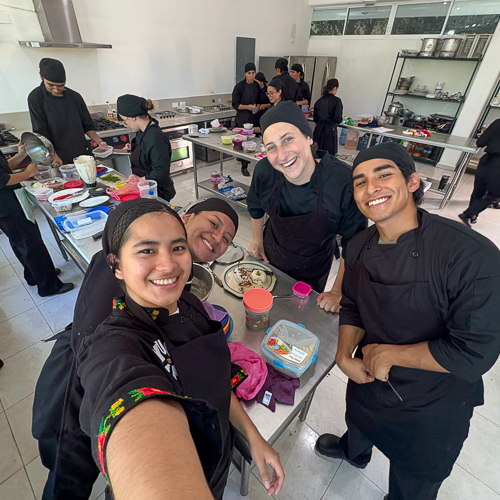
If you are studying in a destination where English is not the official language, a variety of language-learning strategies can help you adjust like:
- Using language-learning apps
- Enrolling in tutoring through IFSA or your host university
- Participating in immersion opportunities such as a cooking class
- Taking time to speak with locals whenever possible
Any one of these strategies can help you build confidence, improve comprehension, and deepen your connection to the host culture.
“For me, the hardest part came after those first two weeks.I had to settle into the reality of my struggles to learn Spanish. I arrived in Mexico with an intermediate level of the language and only a vague idea of what fluency meant. As I began learning its complexities, I fell in love with the Spanish language and found a new passion along the way.” —Nola B., IFSA Mérida Universities Program, Mexico
4. Academic differences

Studying abroad can feel challenging when you encounter academic differences. From varying class sizes to new teaching styles and grading systems, academic expectations may differ from what you are used to. Adjusting to these changes can take time, but preparation can make the transition smoother.
“One of the things that gave me the most culture shock was the UK grading system. Unlike in the U.S., where we are all shooting for 90s and 95s, it’s a big accomplishment to receive a 60 here. The grading system is much stricter and I found it difficult to comprehend at first. But I took time to learn how to navigate it and recommend anyone studying in the UK for the first time do the same.” —Abby L., University of Westminster Summer, England
Before you leave, spend some time learning about the academic structure of your program. IFSA orientations help prepare you for differences in class structure, participation, and grading, so you arrive with a clearer understanding of what to expect. If you find yourself struggling once you arrive, adjusting your study habits or studying with other students abroad can be helpful, especially as many students are navigating similar academic transitions.
For additional tips and suggestions on how to adjust, check out our guide, Tips for Academic Success Abroad.
5. Homesickness and loneliness
Homesickness and loneliness are common challenges you may experience while studying abroad. Being away from family, friends, and familiar routines and even your favorite foods can feel isolating, especially as you begin to adjust to your new environment. These feelings are normal, valid, and often part of the transition when immersing yourself in a different country.

Staying connected with home can help you feel grounded. Begin by setting up regular check-ins with family and friends to maintain important relationships while still embracing your experience abroad. To make it easier, establish a routine before you leave—one less thing to worry about.
“Navigating so much newness is thrilling—finding out the coolest restaurant, exploring downtown, being invited to your first friend-group hangout. Still, try to maintain your good habits. Plan a schedule at the beginning of each week, ensuring time for yourself and exploring new places, meeting people, and studying. I allowed wiggle room for unexpected additions and also included a period of at least two hours to study.” —Ashley S., IFSA Study in Shanghai: International Business, China
At the same time, building a social network in your host country is essential. Consider joining student clubs, participating in activities, or attending program events, which can help you meet new people and establish a sense of belonging. Connecting with other students, especially those who are also studying abroad, can remind you that you are not alone in navigating these changes.
6. Visas and prearrival planning
Navigating visas and pre-arrival planning can feel overwhelming as you prepare to study abroad, especially if you’re a new traveler or have not left the country before. Travel documents, visa requirements, and immigration regulations vary by country, and missing or incomplete paperwork can create unnecessary stress.
Starting the process as early as possible allows you time to gather required documents, submit applications, ask questions, and respond to unexpected delays. Double-checking your paperwork and staying informed about country-specific immigration regulations can help ensure a smoother transition. For a deeper dive, our guide, Study Abroad Travel Documents, outlines what you need to know and best practices for staying organized throughout the process.
7. Health and well-being
Prioritizing your health and well-being is an important part of a successful study abroad experience. Adjusting to a new environment, managing stress, and navigating unfamiliar health systems can feel challenging at times, especially while living far from home.
Preparing ahead of time can help you feel more confident and supported. Our guide, How to Prepare Emotionally for Study Abroad, offers helpful insight into managing expectations and emotional well-being before departure. Once abroad, knowing when and how to reach out for support is essential. IFSA programs include access to health care and emergency services, providing additional peace of mind throughout your experience.
Being familiar with local emergency numbers and available resources allows you to respond quickly if you were to need assistance. Remember that support is always available, and seeking help when needed is an important part of taking care of yourself while abroad.

Start your journey
By understanding what to expect and knowing where to find support, you can approach your study abroad journey with confidence and flexibility. While you may encounter moments of discomfort or uncertainty, those challenges are a normal part of living and learning in a new environment—and they’re often what make the experience meaningful. With preparation, openness, and the right resources, you can work through the challenges that come up and leave your time abroad with skills, perspective, and memories that last well beyond the program. Explore IFSA’s programs to get started.