
Homestays
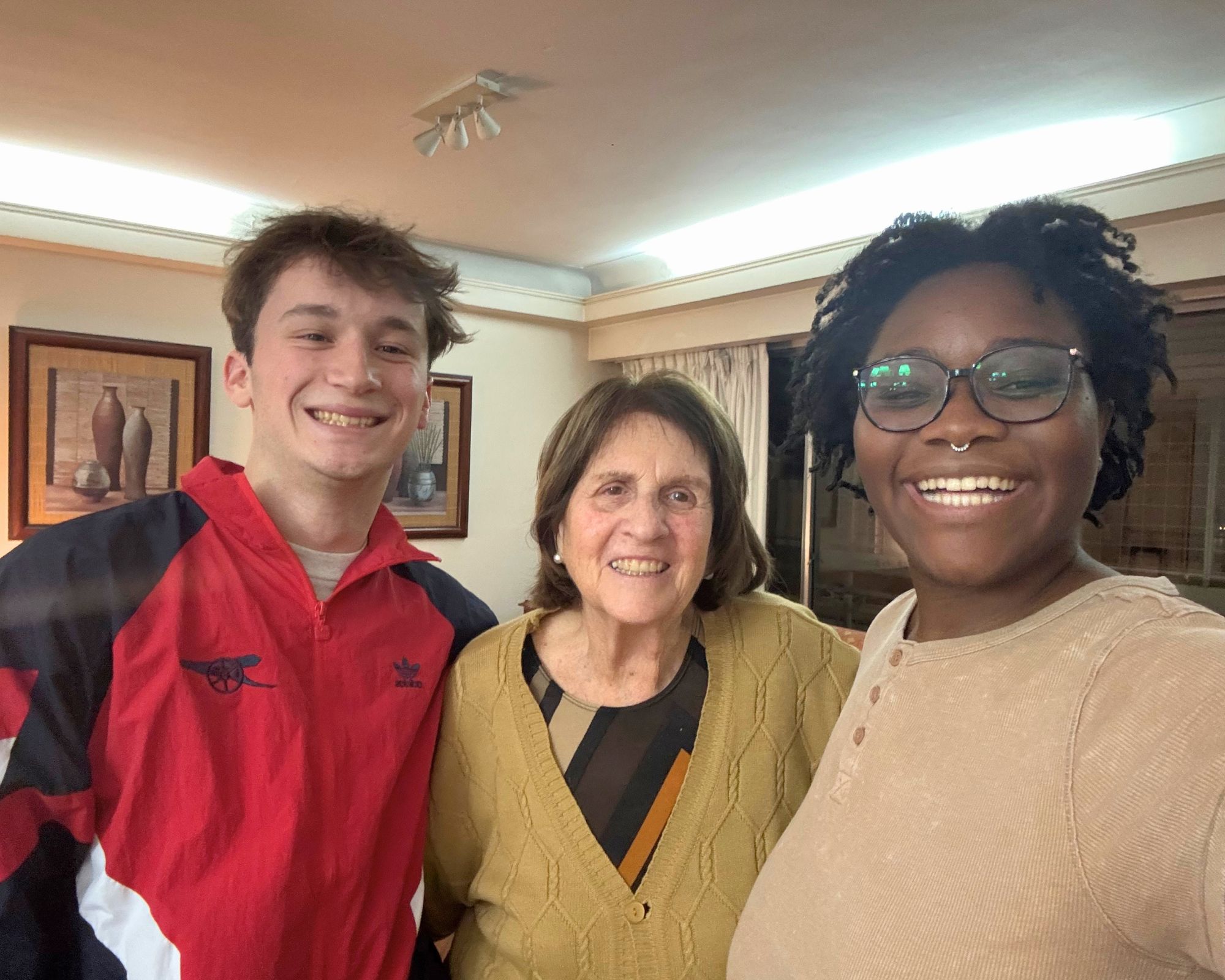
Living with a local host family is an ideal way to deepen immersion, experience culture authentically, and compliment all you’re learning. IFSA offers homestays in Spain, Sri Lanka, and throughout Latin America.

Details about study abroad homestays
Choose your homestay with confidence! All host family homes are vetted by IFSA for safety/security, cleanliness, and convenience. In addition, we work closely with our hosts, making sure they’re prepared to welcome students from a broad range of backgrounds.
Hosts include families, older couples, and occasionally individual adults. Most families host one IFSA student, some host two.
Each homestay student has their own bedroom. Bathrooms may be shared with household members. Families live in residential areas. You might need to commute 30 minutes or more to classes and the city center.
Five homestay benefits
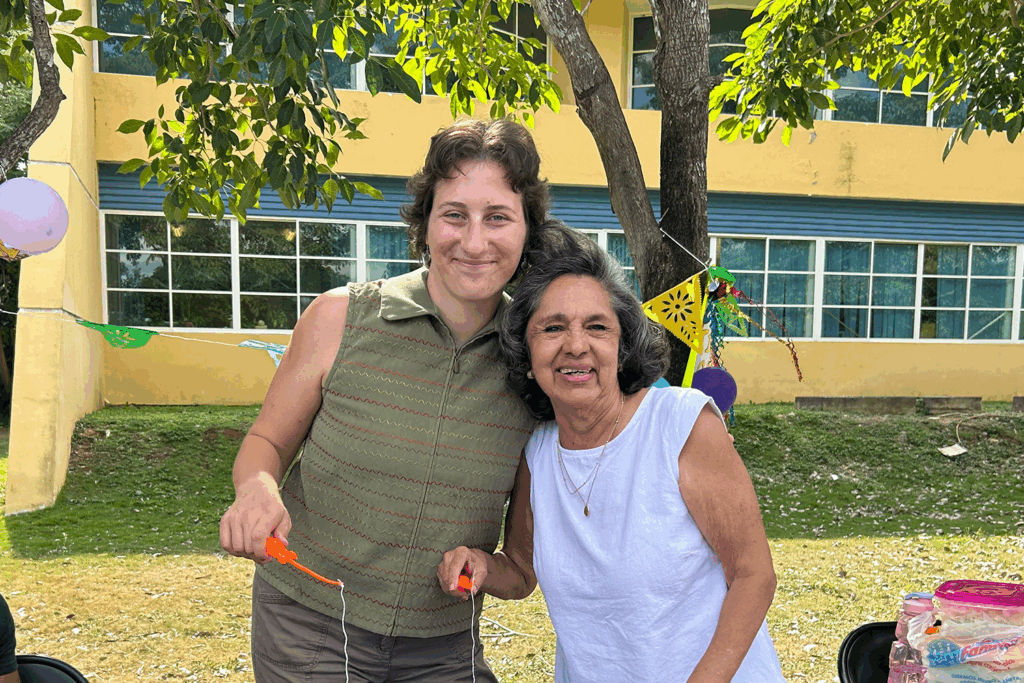
- Experience family life and integrate more quickly by sharing meals, celebrating traditions, and learning local customs firsthand, with your host family and through their community.
- Add experiences others miss. Homestay students often see and experience local hidden gems, thanks to their hosts’ inside knowledge.
- Improve your language skills organically through daily interaction in a relaxed setting. Few families are fluent in English. We do our best to place students without proficiency with English-speaking hosts.
- Added support. Your hosts can help you navigate, understand cultural norms, and adjust to your new location.
- Lasting connection. Many students build strong bonds with their host family members and keep in touch long after their programs end.
Homestay considerations
Independence. Expect to follow house rules regarding meal times, and quiet hours, and know it might take a little time to adapt to the rhythms of a new home.
Privacy. Aside from your bedroom, you’ll share space with other household members, which feels different from how you live at college in the States.
Meals. Homestays include at least two meals a day. Students can also eat out with friends and purchase their own snacks. Host families accommodate specific dietary needs, provided we’re notified in advance.
“I enjoyed learning the culture through a family dynamic while living with a host family. This cultural experience was extremely valuable and unique.”
—Madi G., Purdue University | Chilean Universities Program, Valparaíso
Homestay FAQ
Find the answers to questions students ask most about study abroad homestays.
| Questions | Answers |
|---|---|
| How does IFSA choose its host families? | Our team screens each host and vets each home, ensuring we meet our standards for security and cleanliness, and convenience. Families also join us for sessions that prepare them to host a range of students from diverse backgrounds. Many IFSA host families have been IFSA partners for years, and many stay in touch with their homestay students after they’ve returned home. |
| Where does IFSA offer homestays? | IFSA students can experience homestays throughout Latin America in Argentina, Chile, Costa Rica, Cuba, Peru, and Mexico. We also have homestays in Seville, Spain, and Kandy, Sri Lanka. |
| Will I have my own room? | Yes. Each homestay student has a private bedroom. You might share a bathroom with others. |
| Will I need to cook my own meals? | No. Host families provide at least two and sometimes three meals a day, depending on your location. Sharing mealtime with your hosts is a great way to learn about local cuisine and traditions in a relaxed, informal setting. |
| I want to improve my Spanish language skills. Will a homestay help? | Yes! Many students find that living with a host family provides many valuable opportunities for practice through casual conversation, over breakfast and dinner, and through daily living. |
| How far will my homestay be from school and downtown? | Homestay students typically rely on public transportation to get to class, which could take 15 to 40 minutes. When we choose housing, we prioritize safety and quality of experience over distance, which is why some commutes are longer. |