
Housing Abroad
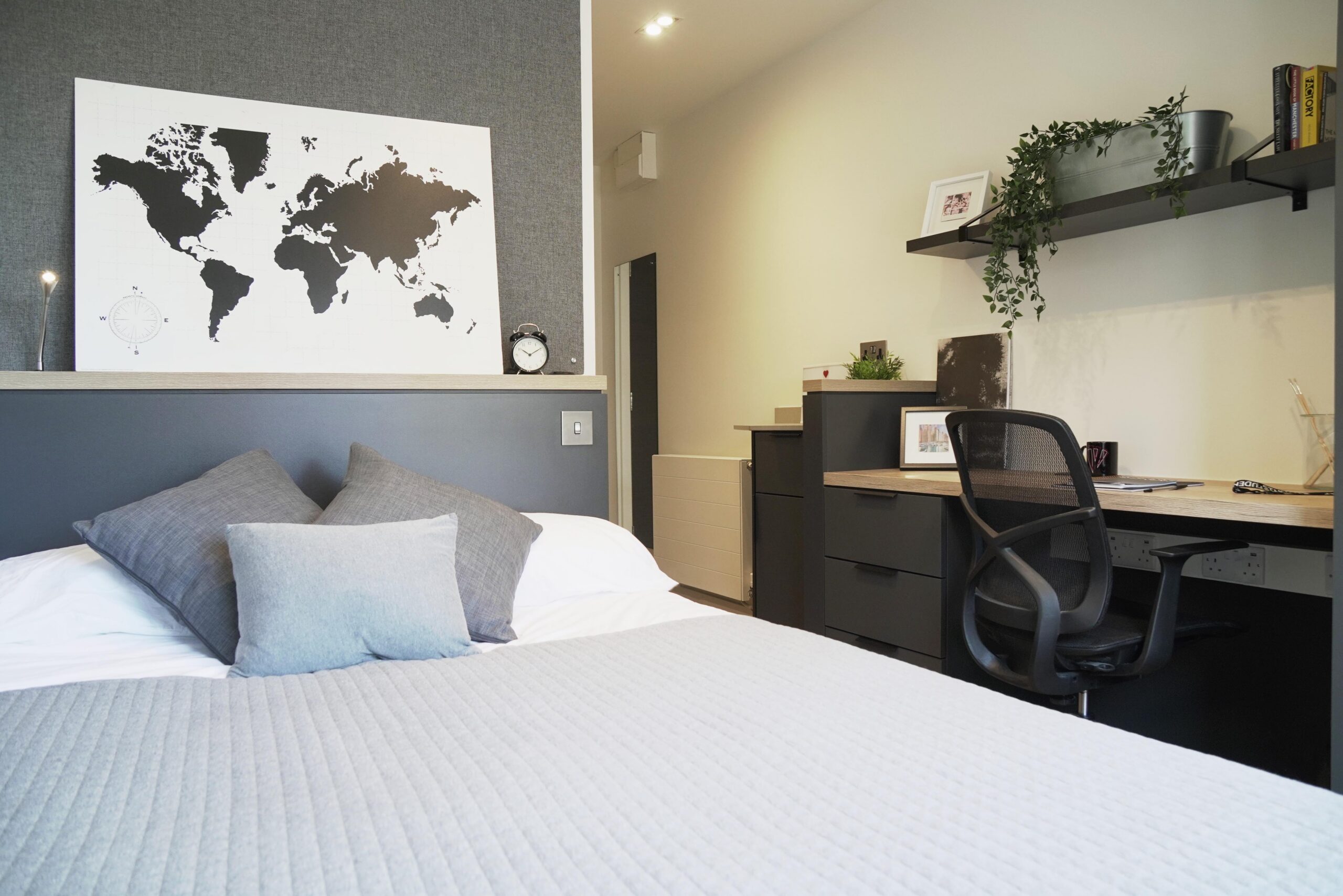
All You Need to Know About Your Home Away from Home
The place you call home while you study abroad has a big impact on your international experience. That’s why our IFSA team puts extra care and attention into where our students live. What makes our approach stand out?
Guaranteed housing. No matter which program you choose, rest assured you’ll have a safe, comfortable place to live.
Choice. Most programs include housing options to support different styles, budgets, and goals, as well as opportunities to maximize the local experience. For example, you’ll find homestays in Argentina, Mexico, Spain (Seville), and many other countries where language learning matters.
Personal, local support. From Scotland to Sri Lanka, local IFSA staff are there to help get to know your new neighborhood and assist with any housing-related issues that might come up. There’s always someone to turn to!
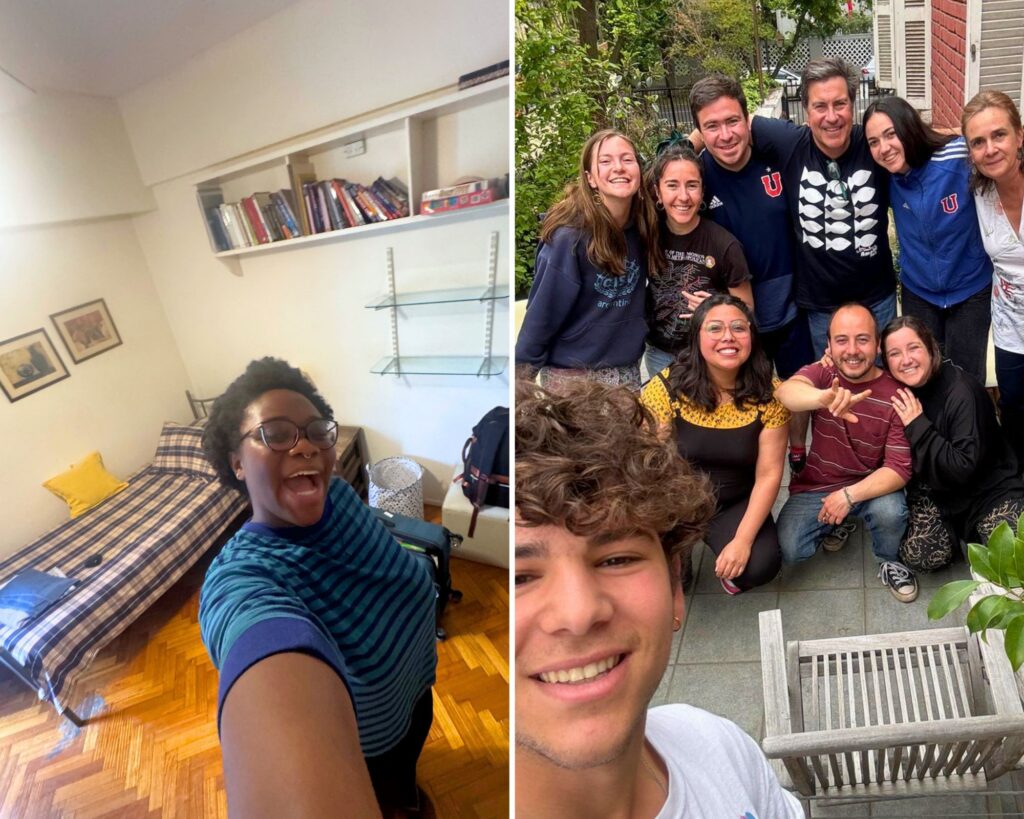
Types of study abroad housing
Get to know the different types of housing we offer. As you get to know them, keep your priorities—such as budget, privacy, commute, immersion, independence, and so on—in mind. As you consider the options below, note that IFSA students may live alone, with other IFSA students, or in some locations, with local or international students.
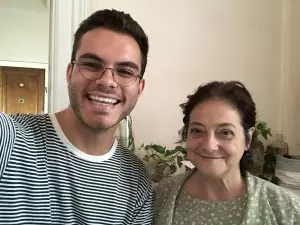
Homestay
Living with a local host is ideal for deeper cultural immersion and primarily offered throughout Latin America and parts of Spain.
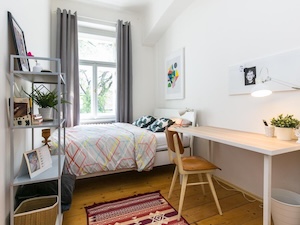
Apartment/flat
Common in suburban and urban areas, apartments and flats might be IFSA-provided private buildings or complexes that are either student-centered or house a mix of students and other residents. They may also be university-managed.

Dormitory/residence hall
University affiliated dorms and residence halls are most common in the UK, Ireland, Australia, and New Zealand. In some cases, residence halls are selected and provided by IFSA.
Independent housing
This includes any living arrangement that you find, pay for, and are fully responsible for. IFSA approves independent situations on a limited basis, with approval from your home university or college. For more information, contact your IFSA Enrollment Counselor.
”I felt at home even in those first few moments, when my host mom let me know that I was family.”
—Joshua D., Grinnell College | IFSA Mérida Universities Program, Mexico
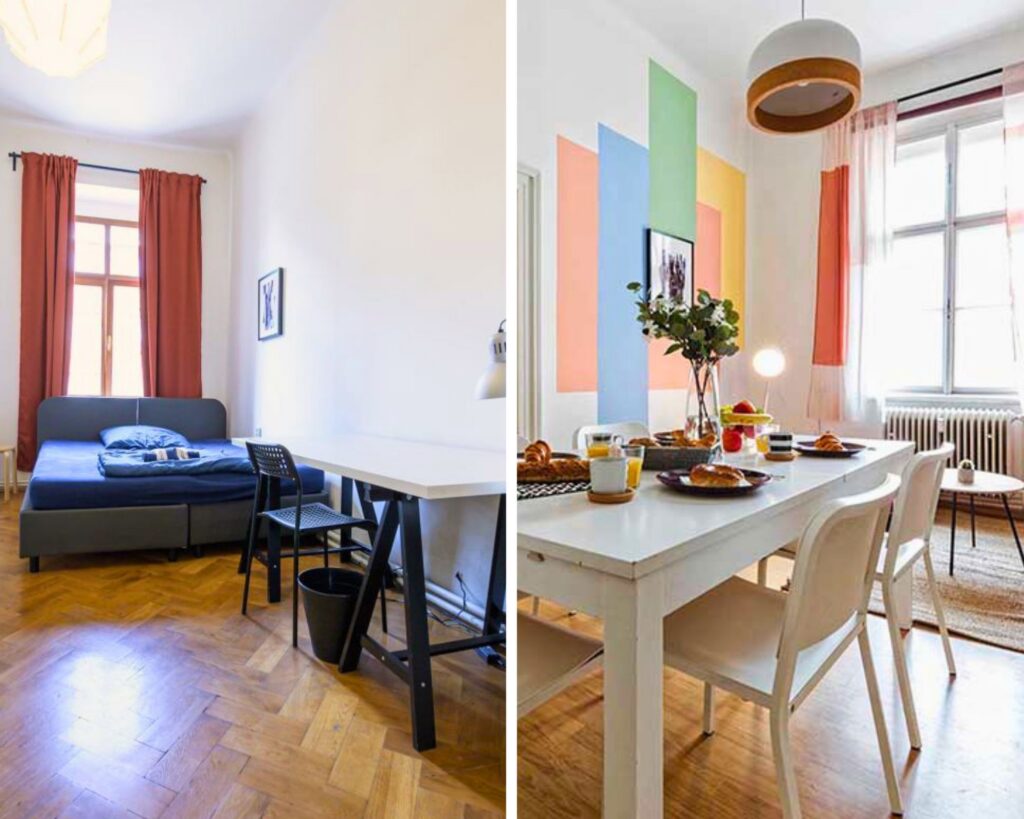
Choose your study abroad housing with confidence
IFSA-selected housing meets strict standards for safety, quality, and convenience, and is hand-picked with the help of trusted local partners. That means you can choose with confidence, even though you won’t see what your exact living space looks like ahead of time. Students consistently describe IFSA housing as a place where they feel safe, comfortable, and supported.*
We do our very best to accommodate all housing preferences. Our teams carefully review all information provided by students about their personal habits and preferences and work hard to place students accordingly. Unfortunately, there’s no guarantee here—sometimes supply and demand simply make this impossible. Students reported that they build meaningful relationships through their housing experience, creating a strong sense of belonging abroad.*
Know the landscape. Study abroad housing is likely different than what you’re familiar with.
- Campus living is rare. In many global locations, tight urban spaces mean universities are rarely contained in one single location. Instead, facilities are typically spread out, creating a more urban student experience.
- Commuting is normal. Students often get to class by walking or taking public transportation like a bus or subway, depending on location. In London, for example, students commute 40 to 60 minutes each way—typical for Londoners!
- Base housing is included in your program fee. This amount varies by location and local availability. If cost is a concern, it’s best to apply and select your housing early.
Here’s why:- Every program offers a base housing selection. On any program page, click on Dates and Fees, then click More info> on the far right. This opens a window with further detail, including housing costs.
- We fill base housing on a first-come, first-served basis.
- When base housing is full, students must pay a supplemental housing fee. This covers the difference in cost between base housing and single rooms/flats and/or residences with more amenities.
- Facilities and features vary. You might live in an older building full of historic character—or a modern complex with a gym and social spaces. Air conditioning and clothes dryers aren’t common in many countries as they are in the U.S. It’s all part of experiencing a different way to live! Wifi is available in all IFSA student housing.
- Meals are typically not included. In most situations, students are responsible for their own meals; many use their kitchen facilities and cook together. Homestays are different; host families provide two or three meals a day.
*2024-2026 IFSA Student Evaluations

The student housing placement process
Step one: Consider your options.
After you’re accepted to your IFSA program, learn about housing options in the IFSA Student Portal and consider your preferences. Ask yourself:
- Do you have accommodations at school that you will need abroad?
- Do you have concerns about mental health, modesty, gender, religion, or diet to consider?
- What are your priorities? For language learning, think homestay. For meeting local and international students, consider a dorm or residence hall. If independence is high on your list, an apartment could be a great option.
If you have questions, this is a great time to check in with your IFSA Enrollment Counselor.
Step two: Complete the housing form.
Log onto the IFSA Student Portal. Find and complete the IFSA housing form, which includes ranking your preferences. Submit. The earlier you submit your form, the more likely you are to get your preferred choice.
Step three: IFSA review.
IFSA reviews your information and carefully considers your placement.
Step four: Get your housing placement.
About one month before your program starts, you’ll get an email notification that your housing assignment is ready to view in the IFSA Student Portal. In the portal, you’ll see your building address, a map showing this location, and general housing information.
Keep in mind that we can’t share information about roommates or flatmates until your program begins, due to privacy regulations, and that your room number might not be available until you arrive.
“I took classes in Miraflores and stayed with an incredibly welcoming host family that I will never forget.”
—Amber B., Temple University | Pontificia Universidad Católica del Perú Partnership, Lima, Peru

FAQ: Study Abroad Housing
Learn more about the topics students ask about most often, from placement and roommate requests to who to contact for help.
| Questions | Answers |
|---|---|
| What does IFSA do to ensure the housing is safe for students? | IFSA carefully reviews all housing, with your safety and wellbeing as the priority. Our local teams work with trusted providers, host institutions, and partners to assess housing based on factors such as location, building access, facilities, commute routes, emergency procedures, and support available to students. While IFSA does not own most housing, we take an active role in vetting options and following up when concerns are raised. Once students arrive, IFSA staff remain available to help with housing questions and concerns. In addition, we review student feedback and provider follow-up to continually monitor housing quality. |
| Are housing accommodations available for students with disabilities, medical needs, religious concerns, and other situations? | Yes. If you have a medical-related request, please complete and submit this form to get started. Please note any non-medical requests directly on the housing form (found on the IFSA Student Portal). |
| Does all IFSA housing carry the same cost? | First, it’s important to understand that the cost of basic housing—what we call base housing—is included in every IFSA program fee. Cost gets more complicated in locations where housing markets are tight. Sometimes our only safe, convenient option is placing students in housing that is more expensive than our typical costs. Students who are placed in this type of housing are charged a supplemental fee—the difference between the actual cost and our base housing cost. Applying early—and then submitting your complete housing form as soon as you’re admitted—are two things you can do to help avoid paying a supplemental housing fee. |
| How does IFSA decide who gets which housing? | Our team does all they can to give each student their preferred housing. Unfortunately, fluctuating availability means we can’t always make this work. While we can’t guarantee your specific assignment, we absolutely guarantee that you’ll have housing that’s safe and comfortable. |
| Can I choose my roommate(s)? | Students are welcome to request roommate(s) and flatmate(s), but we can’t guarantee that we’ll be able to meet these requests. Some programs give us more flexibility than others for requests, and we meet them whenever possible. |
| Where can I see photos of where I will live? | We know how important housing is to our students and that you’re eager to see what your living space looks like. However, housing placements can change frequently until close to the start of your program, which makes it challenging to provide photos to each student of each placement. Keeping an open mind and welcoming the unknown are part of the study abroad journey—embrace it! |
| When can I get details about my housing? | About one month before your program starts, you’ll get a notification email that your housing placement is ready to view in the IFSA Student Portal. In the portal, you’ll see your building address, a map showing this location, and general housing information. Keep in mind that we can’t share information about roommates or flatmates until your program begins, due to privacy regulations, and that your room number might not be available until you arrive. |
| What if I have a problem with a roommate or want to change housing after I arrive? | It’s important to us that you’re comfortable with your living situation, and we want to hear from you if there’s an issue you can’t work out on your own. We review requests for housing changes individually, ensuring we understand the issue at hand and can consider possible next steps. Please know that we can’t guarantee housing changes, which are subject to availability and cost. |
| Who should I go to for help with housing issues? | If you haven’t left the U.S. yet, please contact your IFSA Enrollment Counselor to share your concern. If your study abroad program has begun, please contact the local IFSA team in your city. There’s always an IFSA team member to help! |
| Where can I find IFSA’s housing policies in detail? | For information on policies, conduct, health/safety, and more, please refer to the IFSA Participant Handbook. |