
University Dormitories/Residence Halls
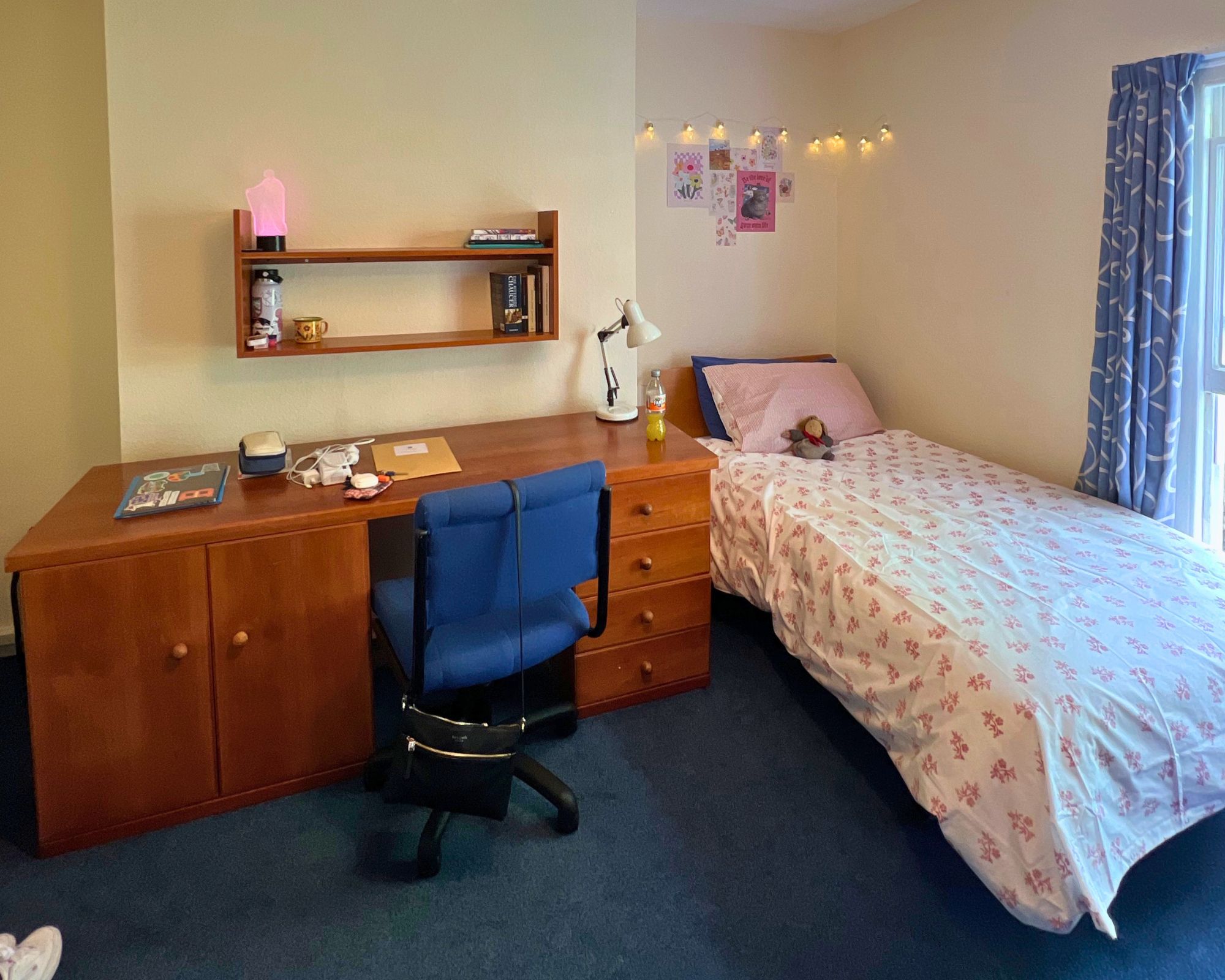
A small number of the universities we partner with offer university housing in dorms or residence halls, which can make it easier to connect with other students and feel like a part of university life.
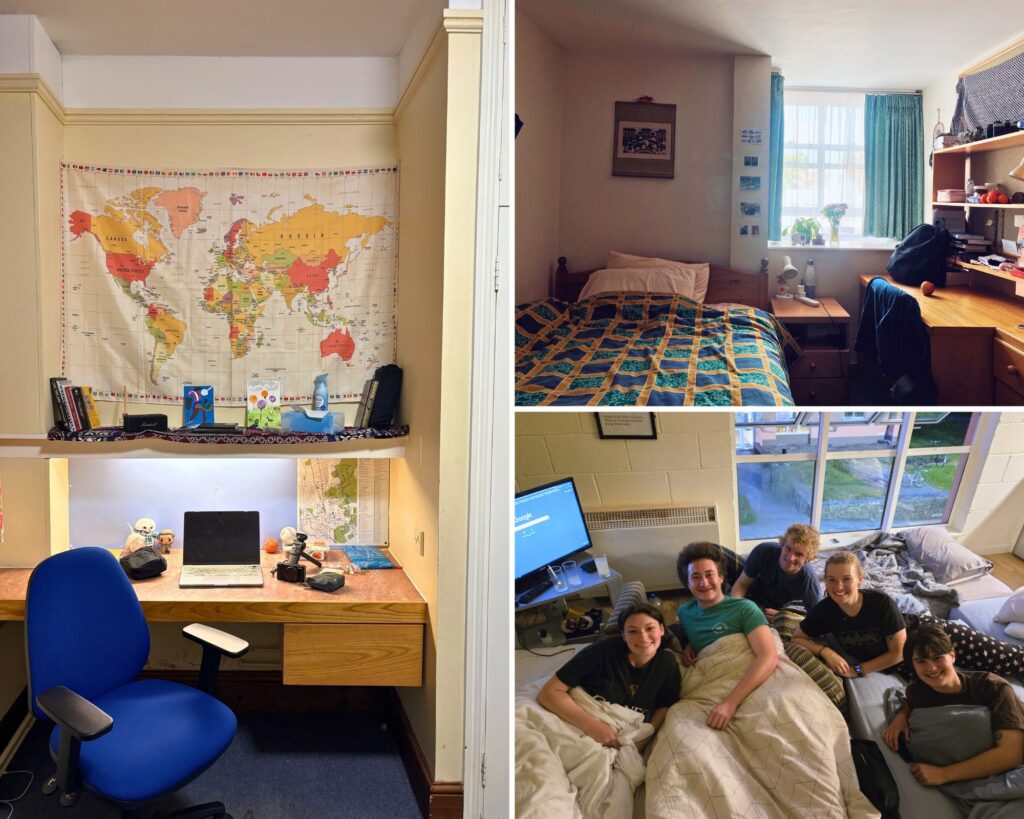
Details about study abroad dorms
Dorms—also known as residence halls—are most common in the UK, Ireland, Australia, and New Zealand. Students typically live in single rooms or with one roommate. Bathrooms might be shared. Most halls provide common spaces for socializing and studying, as well as kitchen facilities.
Four benefits of dorm life
- Location. University housing is often near academic buildings with relatively easy access to libraries and other resources. In some countries, like England, Scotland, and Australia, housing may require commute of up to 60 minutes.
- Social atmosphere. Live among other students, meet new peers, participate in university events, and build friendships within a diverse community. Students reported high satisfaction with IFSA Dormitory/Residence Hall housing options, highlighting comfortable and welcoming neighborhoods.*
- Resources. Many university residences have dining halls and study areas.
- Security and support. Expect security measures and support services, similar to what you find in U.S. university housing.
*2024-2026 IFSA Student Evaluations
“I will be friends with the people I met in dorms hopefully for the rest of our lives.”
—Grace S., University of Vermont | University of Westminster Partnership, London, England
Considerations for dorm life
Structure. University housing typically includes dormitory policies or guest restrictions that could feel limiting if you’re used to more independence.
Privacy. Expect to share bathrooms, lounges, and other common spaces.
Lively vibe. The social atmosphere can be exciting—and also noisy and distracting.
Cost. Be aware that costs range from affordable to expensive. Check fees and compare them with other options.
Take a look inside:
Dormitory/Residence Hall FAQ
Find the answers to questions students ask most about dorms and residence halls for study abroad housing.
| Questions | Answers |
|---|---|
| Do most universities abroad have dorms or residence halls where visiting students can live? | Dorm and residence hall living is only an option at a small number of schools. When it’s available, living in a res hall can be a great way to quickly feel like you’re part of the student community. |
| How many students live in a dorm room? | You might share with one other student. Single rooms are also common. |
| Are dorms abroad similar to dorms in the U.S.? | In many ways, yes. Expect a lively social environment, common areas for study and unwinding, shared bathrooms, dorm rules, and security. Unlike in the U.S., universities do not typically have contained campuses. Dorms are often convenient to academic buildings and other school facilities; some require a commute. |
| Is there a dining hall in the building? | Dining halls vary by location. Some residence halls have dining facilities. Others require a walk to university cafeterias or eateries. Meal plans are rare. |