An Island of Rhythm, History, and Caribbean Diversity
Cuba offers a distinctive blend of colonial heritage, Afro-Caribbean culture, tropical landscapes, and vibrant urban energy. A complex political history adds depth to the island’s identity, making it a living classroom for global debates on independence and sovereignty. Students can explore monuments, archives, and cultural exchanges that reveal both artistic traditions and political legacies.
From UNESCO-listed sites and colonial architecture to coastlines, music, dance, and religion, Cuba presents a rich setting for academic curiosity and immersive cultural experiences.
Why study abroad in Cuba?
Education style. In Cuba, you can expect a lecture-based academic environment with a strong emphasis on the humanities and social sciences. Courses often prioritize discussion, historical context, and cultural understanding. Programs taught in Spanish help deepen language proficiency while engaging with local perspectives.
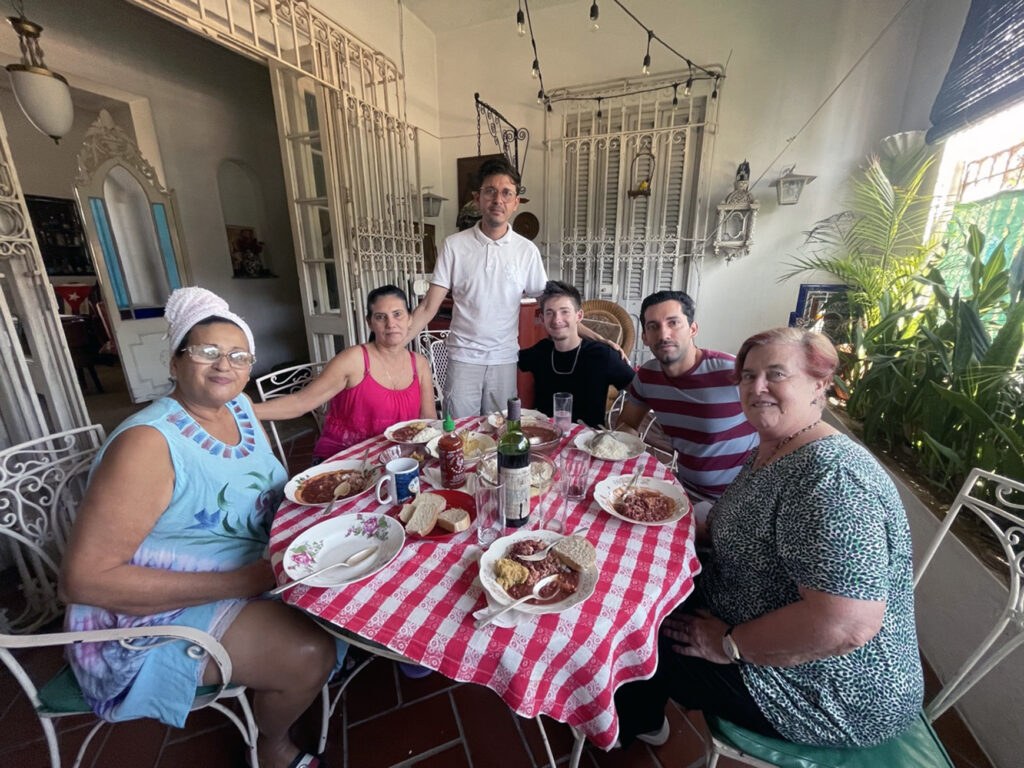
Cultural orientation. Cuban culture blends Spanish colonial history with strong Afro-Caribbean influences. Music, dance, community gatherings, and shared meals are central to daily life. Expect warm hospitality, family-centered living, and cultural traditions rooted in creativity, resilience, and national pride.
Student lifestyle. Life in Cuba is shaped by social connections and local engagement. You can explore historical districts, visit museums, enjoy live music, and experience life along the island’s Caribbean coastline. Markets, plazas, and cultural events provide daily opportunities for immersion.
Cuban cities where study abroad students live:
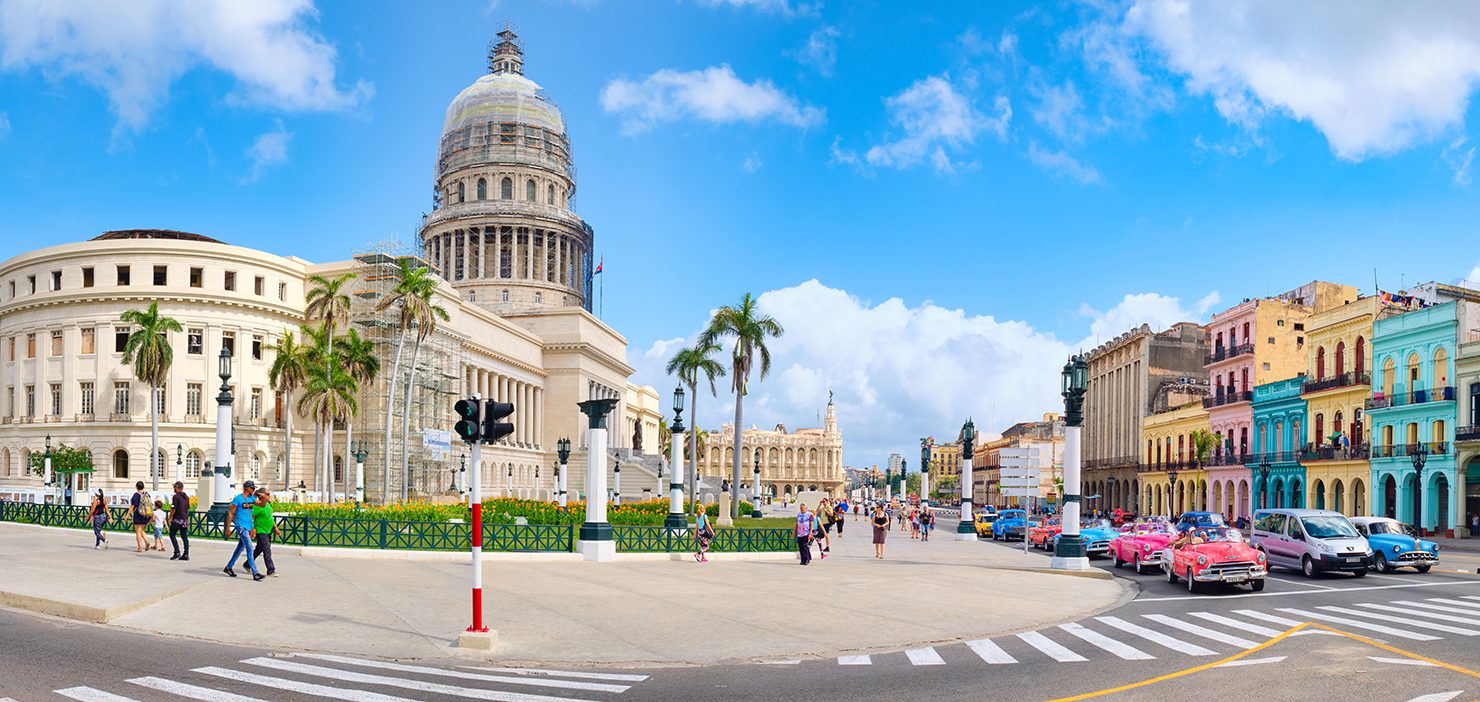
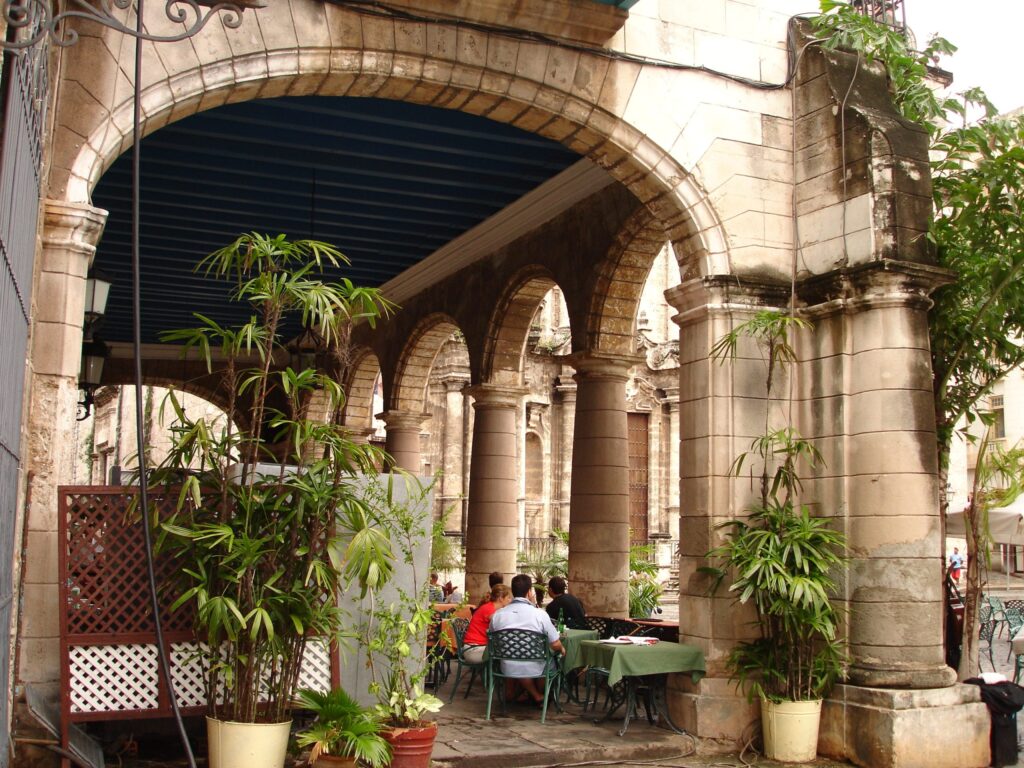
Havana is Cuba’s capital and largest city, known for its historic center, colorful colonial architecture, oceanfront Malecón, and vibrant arts and music scene.
Cuban cities popular among study abroad students to visit:
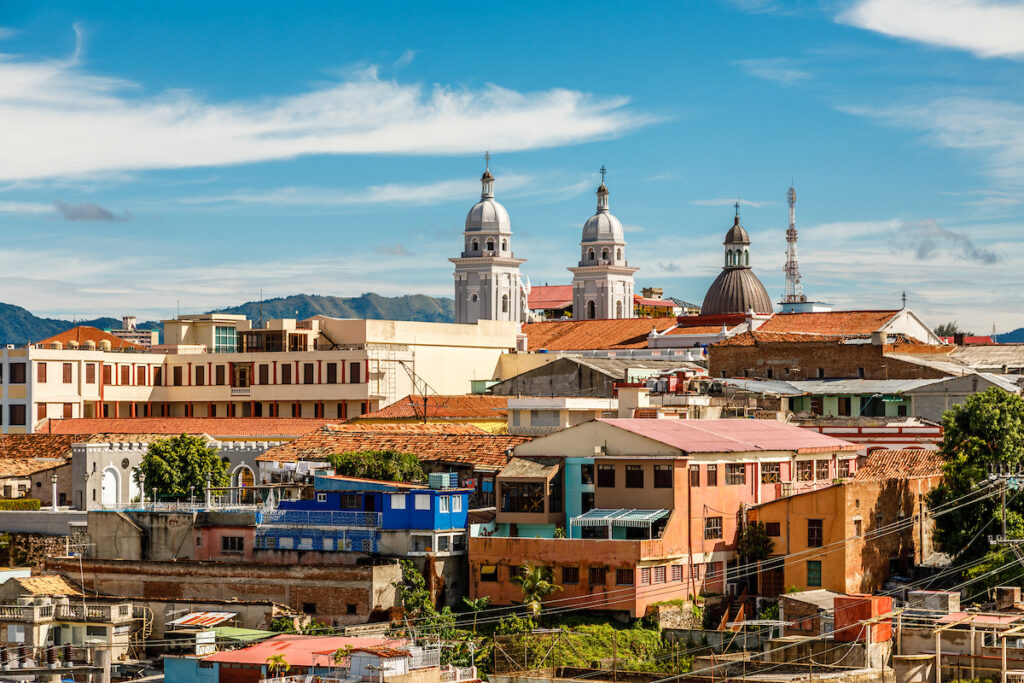
Santiago de Cuba, located in the southeast, is known for its strong Afro-Cuban heritage, cultural festivals, and significant historical landmarks.
Camagüey features a UNESCO-recognized historic center, winding streets, and distinct architectural traditions.
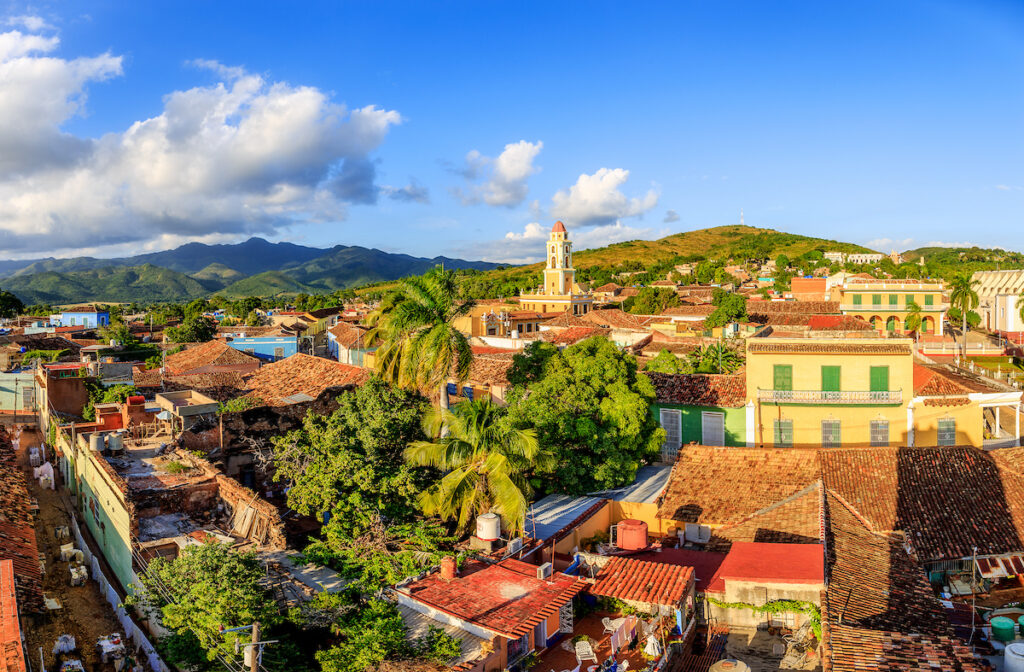
Trinidad is a smaller colonial city with cobblestone streets, brightly painted buildings, and proximity to beaches and natural reserves.
Cuba study abroad highlights
Language spoken
Spanish
Capitals
Havana
Common housing types
Homestays, residence halls
Known for
Colonial-era architecture and historic cities, Afro-Caribbean and Spanish-influenced culture, music, dance, art, tropical climate and Caribbean coastline, coastal beaches and island geography, blend of cultural heritage and revolutionary history.
Time zone
CST (UTC –5)
Currency
Cuban Peso (CUP)
Fun facts
Cuba is the largest island in the Caribbean and home to nine UNESCO World Heritage Sites. It also has one of the highest numbers of classic cars in the world still in daily use.
IFSA programs in Cuba
IFSA offers a study-abroad opportunity at Universidad de La Habana in Havana. We help you enroll directly at UH, taking courses with local students. All classes are taught in Spanish.
By program type
Spanish language
Cultural and international studies
Humanities and social sciences
By term
Fall semester
Spring semester
Frequently asked questions
What is it like to study abroad in Cuba?
Study abroad in Cuba offers a distinctive look at Spanish language, humanities, social sciences, and cultural and international studies through daily life in Havana. Enroll directly at Universidad de La Habana with local students, taking Spanish-taught courses in a lecture-based environment shaped by history, politics, culture, and community. Outside the classroom, experience homestays or residence halls, historic neighborhoods, museums, music, dance, art galleries, plazas, coastal scenery, and cultural exchange rooted in everyday Cuban life.
Yes! IFSA offers a range of scholarships, including need-based awards and destination-specific funding. View scholarships.
What excursions and activities are typically* offered?
Walking tours of historic Havana neighborhoods, like the Vedado district
Cultural immersion activities such as music anddance, attending art galleries, performance venues, and local festivals, and community engagement with Cuban peers
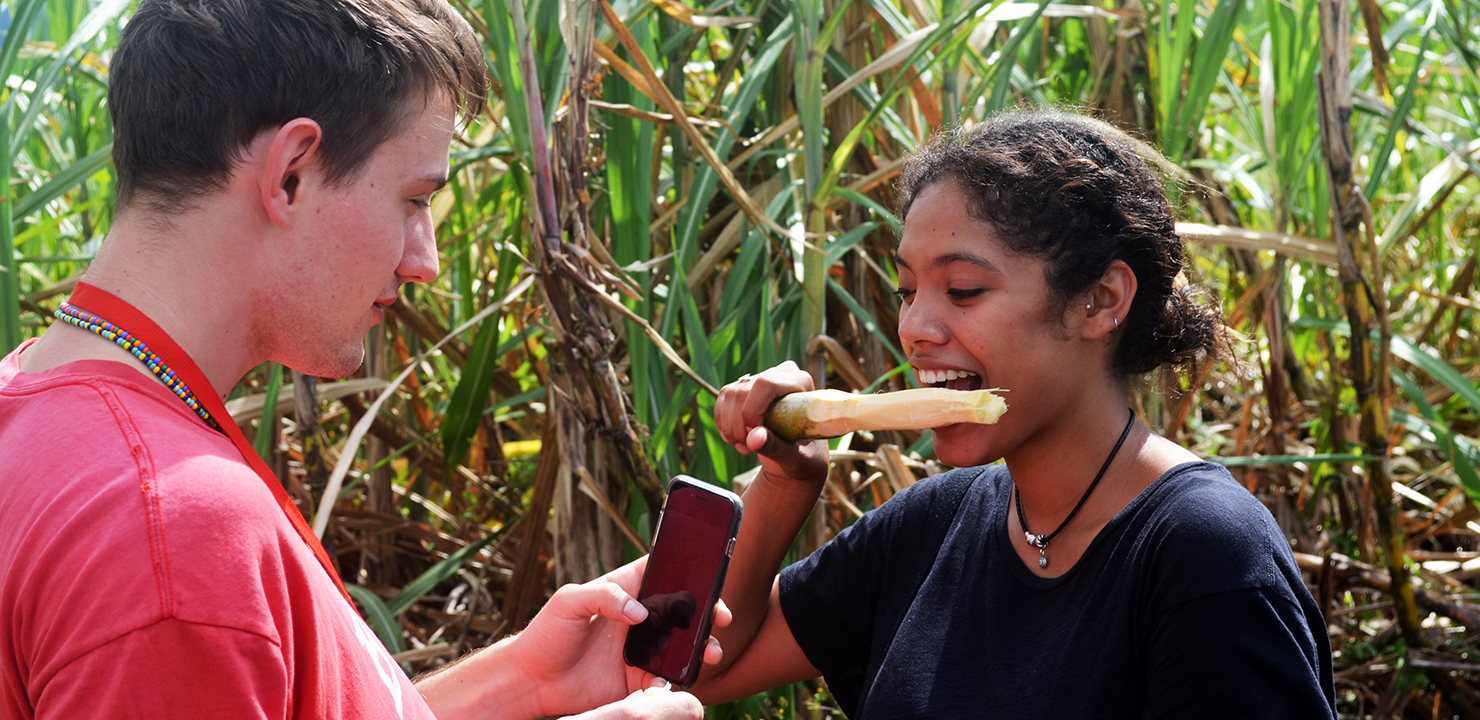
Exploring sustainable agricultural practices and Finca Martavisit
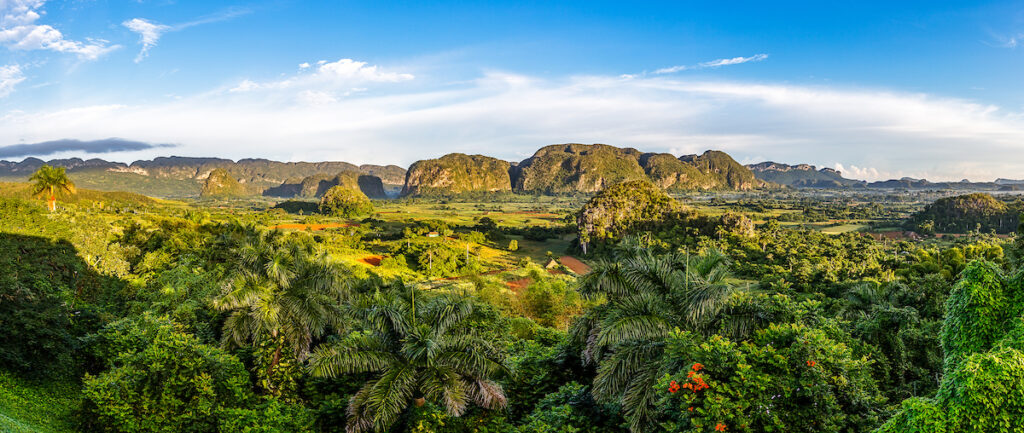
Trips to Las Terrazas and Viñales, hiking, and cave exploration *Excursions vary by term, year, and location
What sports are popular in Cuba?
Baseball. Cuba’s most popular sport, with a long national tradition
Boxing. Cuba is internationally recognized for its rich and influential boxing culture
Football (soccer). Popular among youth and local communities
“We were spoiled by Mama Emma’s cooking. She prepared breakfast and dinner for us every day. She even taught us how to cook some Cuban dishes, and now thanks to her I know how to make fried Vianda. I also message her sometimes before I try to cook to ask for her advice!”
“Traveling through urban and rural landscapes is an important part of the Cuban experience. As a student at the University of Havana, you spend more time immersed in urban life, but as an IFSA student, you have many opportunities to catch a glimpse of the world that exists en provincia, outside Havana.”