
Exploring the New Zealand Outdoors Through a Māori Lens
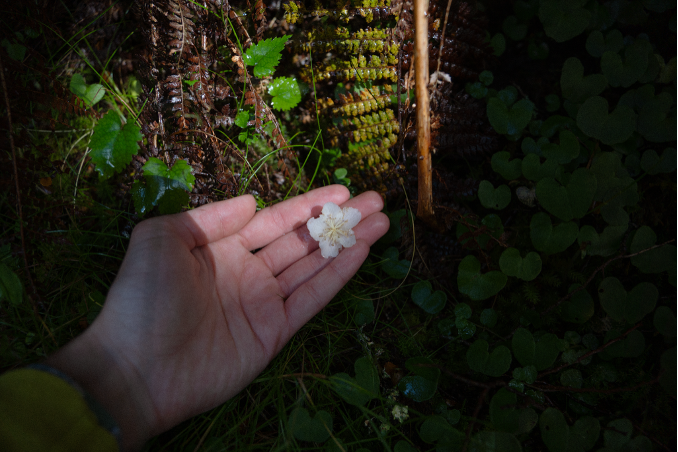
In New Zealand, indigenous Māori culture is well-integrated into everyday life. That’s part of what drew me to study abroad here. I wanted to experience a non-Western way of learning, explore a diverse array of landscapes, and live in a country where indigenous knowledge and culture are included and respected.
Learning about my new home through language
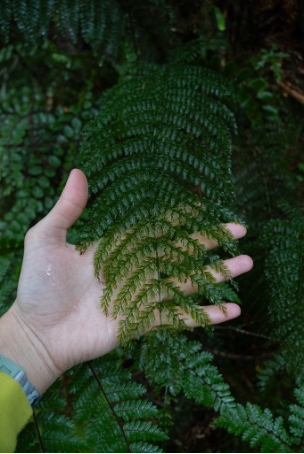
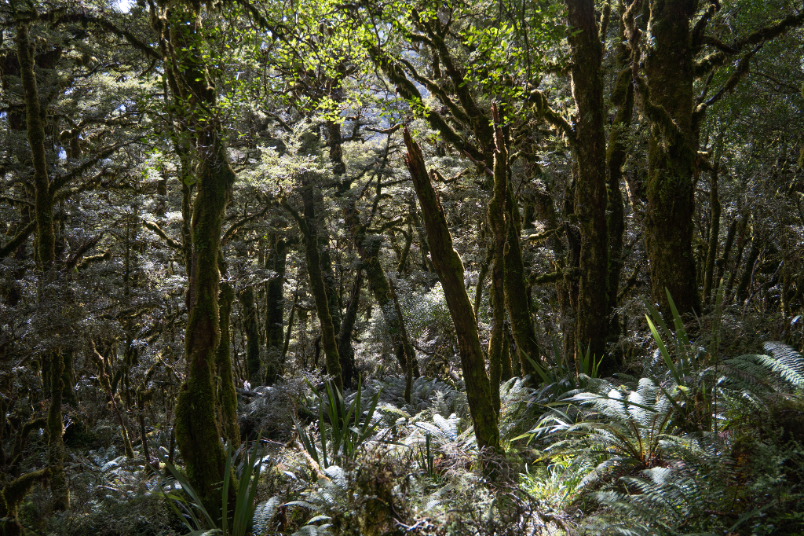
Here, Te reo Māori, Māori language, is part of everyday conversation and accompanies English words on signage. For example, kai means food, and karakia is an incantation to start and end any gathering or event. It invokes spiritual guidance and protection. Te reo Māori names for plants and animals are also commonly used, like kūmara for sweet potato and rimu, the native conifer, red pine.
I recommend the class Māori Society (MAOR: 102), which helped me learn many more terms, values, and history. This class has shown me that an integral part of Māori life is education through pūrākahus—stories, cultural codes, and generations of knowledge based in philosophical thought. They can be metaphorical or literal, but either way, they are intentional and educational.
Unlocking the origins of Fiordland
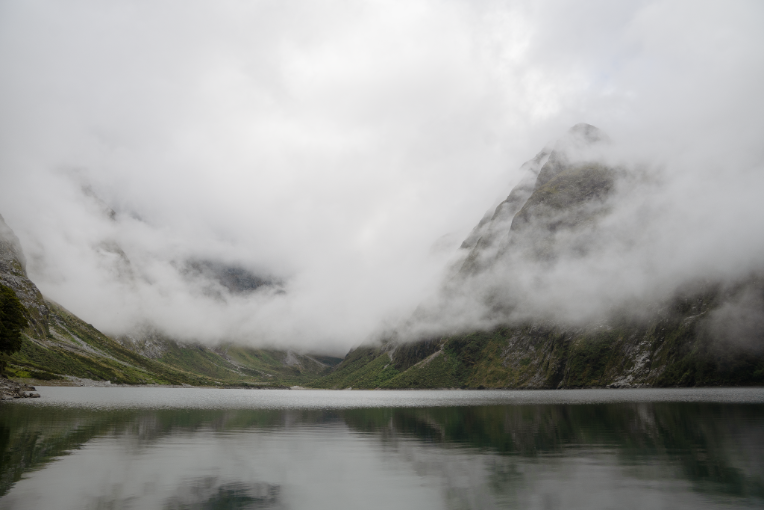
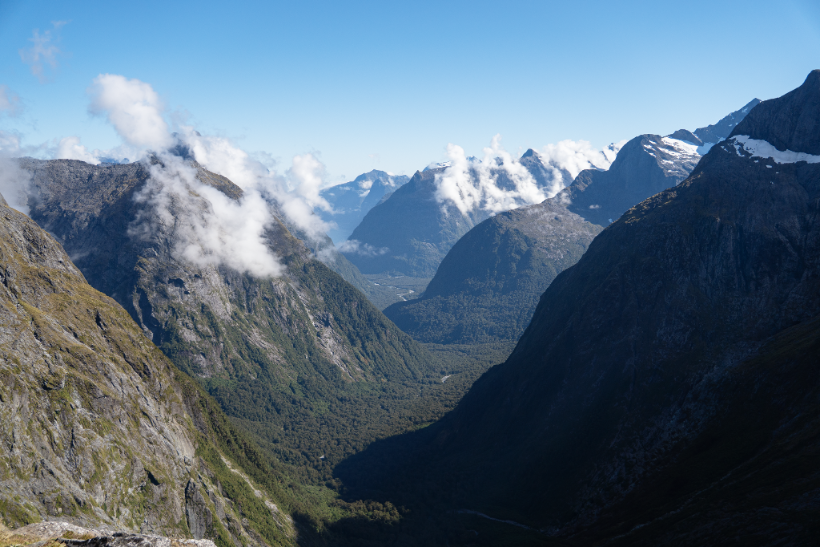
Before I arrived, I knew I had to visit Te Rua-o-te-moko, Fiordland National Park. I’d heard Milford Sound referred to as the eighth wonder of the world for years, and I was enticed by its dramatic views and lush plants.
The pūrākahu of Fiordland tells us that the beautiful mountains, valleys, and waterfalls were not always there and were originally formless rock. This landscape was carved by the demigod Tūterakiwhanoa to turn a mundane environment into a space of beauty with accessible resources. The goddess of death and souls, Hinenuitepō, was worried that the landscape was so enchanting, people would linger too long. So, she introduced namu (sand flies) to keep the fiords serene. Namu remind us to respect the wilderness and not overstay our welcome. (If you come to New Zealand, these tiny biting flies are no joke, especially in the fiords, so be prepared with DEET.)
A different way to look at the world
Whether you’re exploring in New Zealand or elsewhere, keep in mind the indigenous values that have helped preserve the environments we camp, swim, and tramp (New Zealand’s term for hiking) in. We must recognize and act on our interconnectedness with the earth, treating it with respect and care.
The concept of kaitiakitanga—custodianship and guardianship of the environment and people—helps. In New Zealand, these ideas are one and the same, not separate, as Western thought enforces. This value guides how Māori assert sovereignty through their relationship with the environment as guardians of the natural world. Remember this when you’re looking out at the mountains, feeling moist moss, touching the bark of a tall tree, or passing through a chilly stream.
Rachel H. | Colby College | University of Otago, New Zealand | Spring 2026
Photo Credit: https://rachelhernandez.myportfolio.com/