
The Most Valuable Thing I Packed Was My Passport
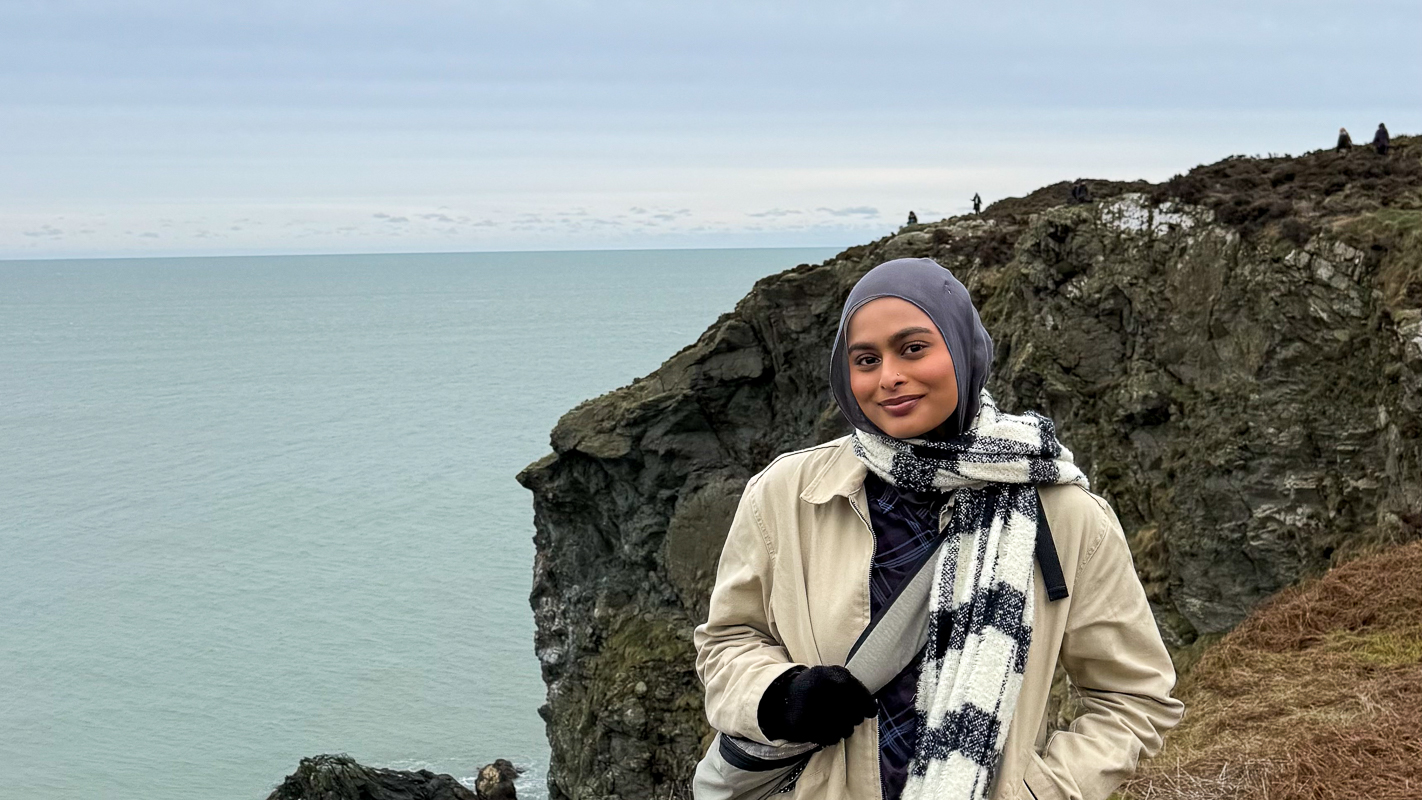
When I arrived in London to study abroad, I expected to travel, gain independence, and learn from living in a new country. I did not expect one of my biggest lessons to be about privilege.
As a first-generation student and Muslim woman growing up in Detroit, privilege was not something I often associated with myself. I was far more aware of challenges than advantages. The IFSA computer science class Tech, Ethics, and Public Policy challenged me to think differently about power, access, and the systems that shape our lives.
Those conversations led me to reconsider something I had rarely thought about before—my passport. A passport determines where you can go, how easily you can cross borders, and what opportunities are within reach. For the first time, I began to recognize my U.S. passport as a form of privilege.
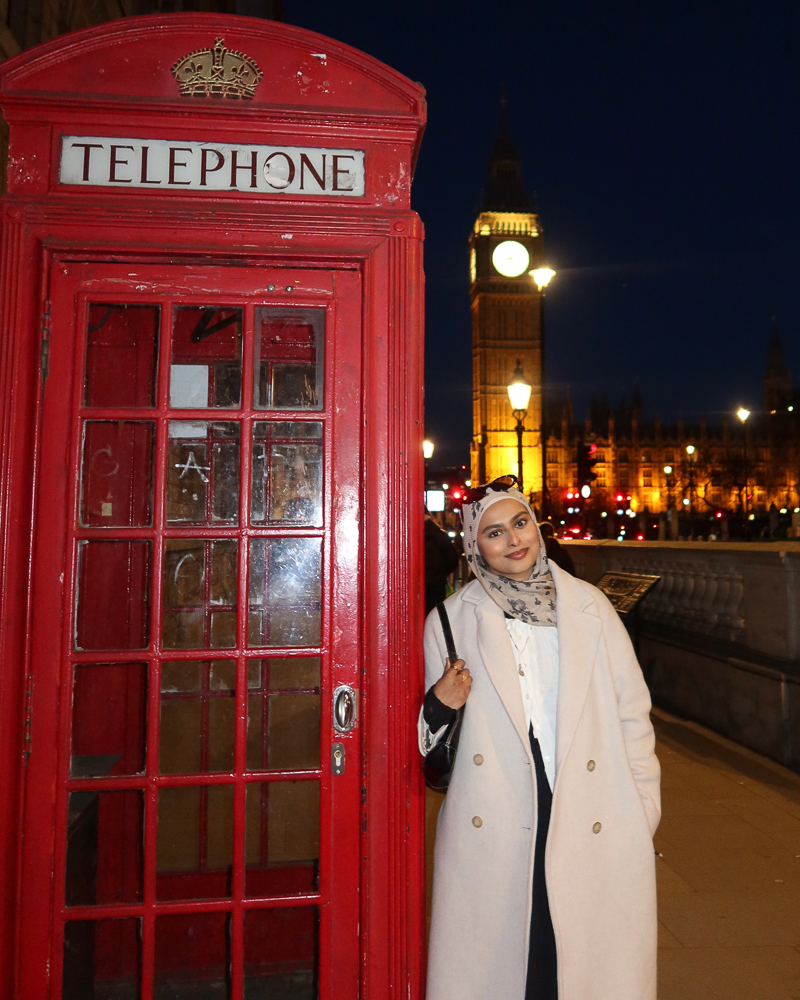
Conversations that changed my perspective
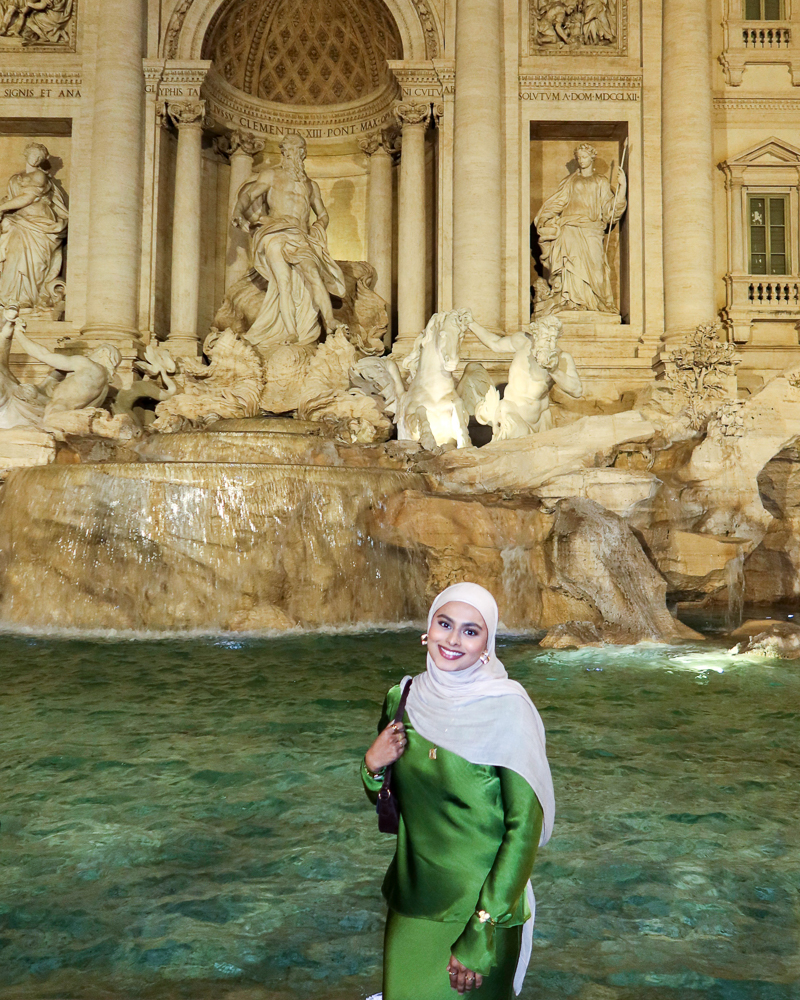
I met a group of girls from Bosnia while traveling in Croatia. When we reunited a few days later in Bosnia, a simple question about how many countries I visited changed how I thought about privilege. “Eighteen,” I answered.
They looked surprised. “You must have a lot of money.”
At first, I laughed. My study abroad experience was made possible through scholarships, and international travel was not something my family could have easily afforded while I was growing up. As we talked, I realized the Bosnians were identifying a different kind of privilege. While I could move relatively freely between countries, many people face travel restrictions that I had rarely considered. It was the first time I understood that mobility can be a privilege.
Faith, travel, and access
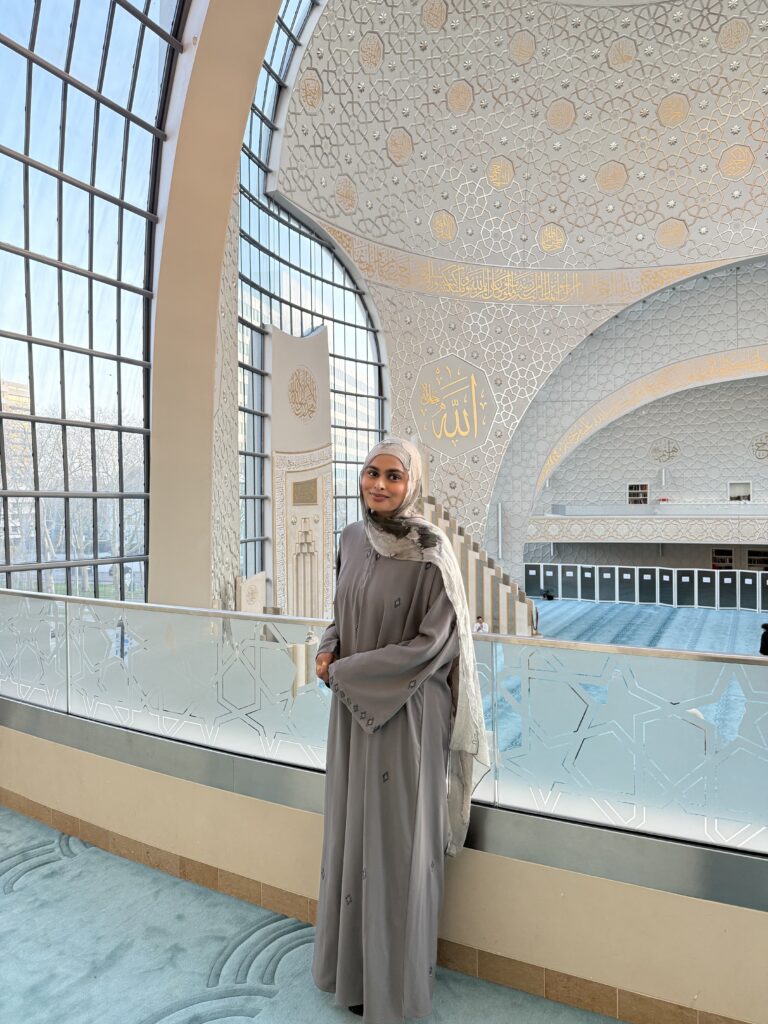
One of my favorite parts of traveling is visiting mosques. During my semester abroad, I often planned trips around prayer and Islamic history. One afternoon during Ramadan, I flew to Cologne, Germany, to pray Taraweeh and then returned to London in time for class the next morning. On another occasion, I flew to Morocco to celebrate Eid.
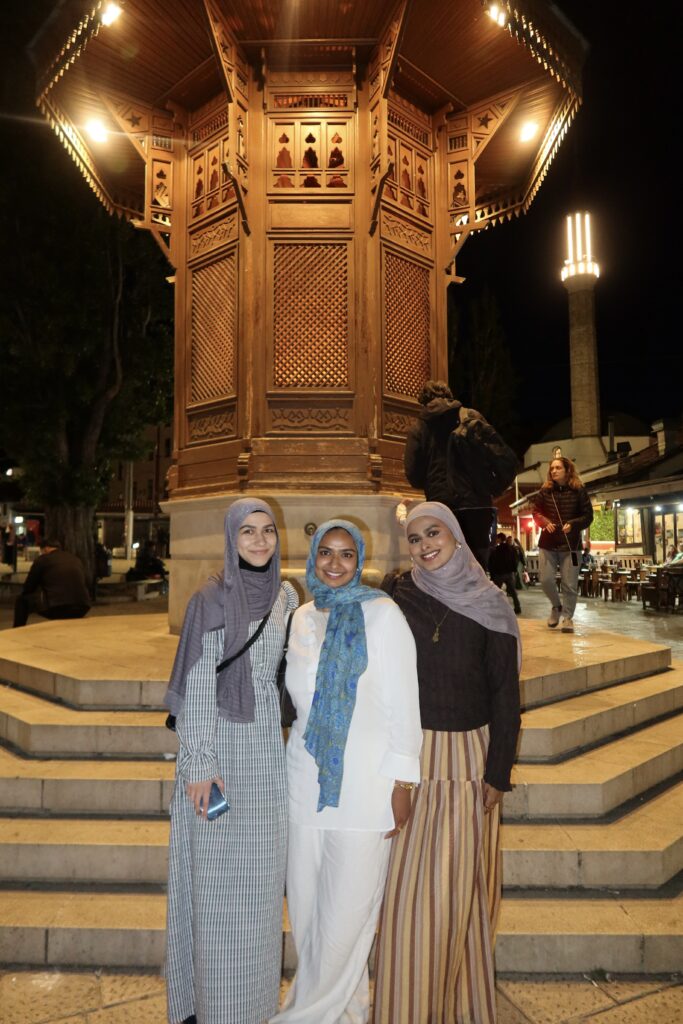
“While I could move relatively freely between countries, many people face travel restrictions that I had rarely considered.”
At the time, I saw these experiences as blessings. Looking back, I also recognize them as privileges. The ability to decide on a whim to board a flight, cross international borders, and return home the next day is not available to everyone. I had not fully considered that my ability to move between these communities was deeply connected to the passport I carried.
What study abroad taught me
Study abroad taught me that privilege is not one-dimensional. A person can face barriers in some areas of life, and benefit from advantages in others. For me, that advantage was mobility.
The greatest gift of study abroad was the people I met. Some of the friendships I formed feel like family. They also made me realize that it’s far easier for me to visit my new friends than it is for many of them to visit me.
The most important lesson I learned abroad: Freedom to move through the world is not distributed equally.
Mahmuda C. | University of Michigan | IFSA London, England | Spring 2026