
How to Pack for Study Abroad: Ten Things You’ll Actually Use
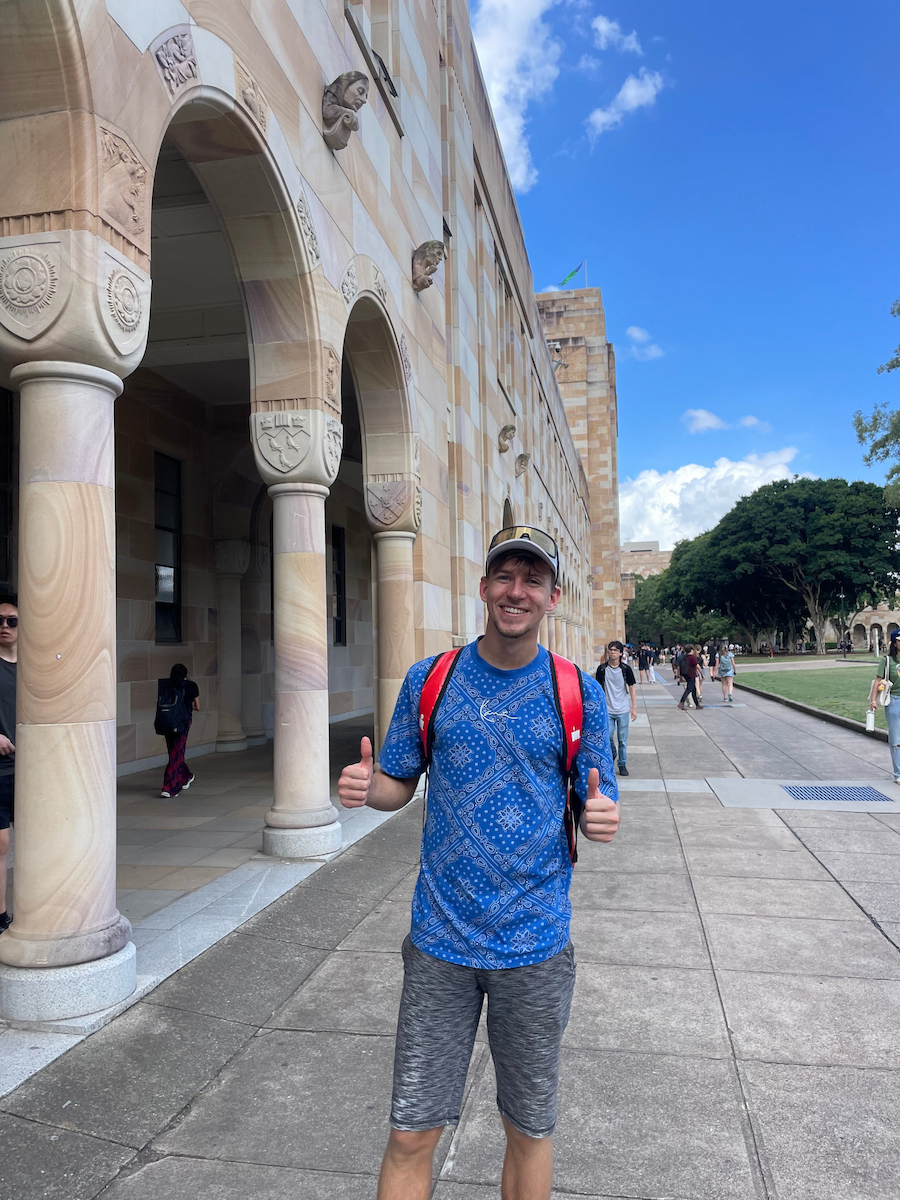
Packing for study abroad can quickly become overwhelming as the “what ifs” pile up. What if it rains, you need something nicer, or the weather changes? The good news is you don’t need to prepare for every possibility.
Focus on packing what you truly need, choosing versatile items, and leaving behind anything that’s easy to replace.
For a comprehensive checklist, start with our guide to what to pack for study abroad. Then use these tips to narrow things down and decide what actually deserves space in your suitcase.
Start early and pack with intention
Getting started early can help ensure you don’t overlook anything important. The days leading up to your departure shouldn’t be the first time you think about what to bring.
Start with a list, on paper or in your phone, and add items as they come to mind. Maybe you remember a favorite sweater while doing laundry. Add it to your list rather than packing it right away so you can consider it alongside everything else.

The day I arrived in Cardiff, Wales, I honestly didn’t know what I had ended up with and what I had left at home. When I opened my one and a half suitcases, I was shocked to see I had brought not one, not two, but three decks of playing cards. In the midst of the packing mess, I had chosen not to bring my umbrella to one of the rainiest countries in the world, but brought three decks of cards.
—Casey H. Cardiff University Partnership, Wales
Before you buy packing cubes or start folding, focus on what actually deserves a place in your luggage. Ask yourself these questions to decide what makes the cut:
- Do I already use this regularly?
- Will I need it right away?
- Would replacing it abroad be difficult or expensive?
- Can it serve more than one purpose?
- Am I packing this because I know I’ll use it, or because I might use it?
That last question is often where overpacking begins. It’s easy to imagine an entirely different version of your life abroad: one where you attend formal events every week, hike every weekend, or start wearing clothes you’ve ignored. Pack for the life you realistically expect to live, not every possibility you can imagine.
Now, on to our ten essentials.
1. A small first-day kit
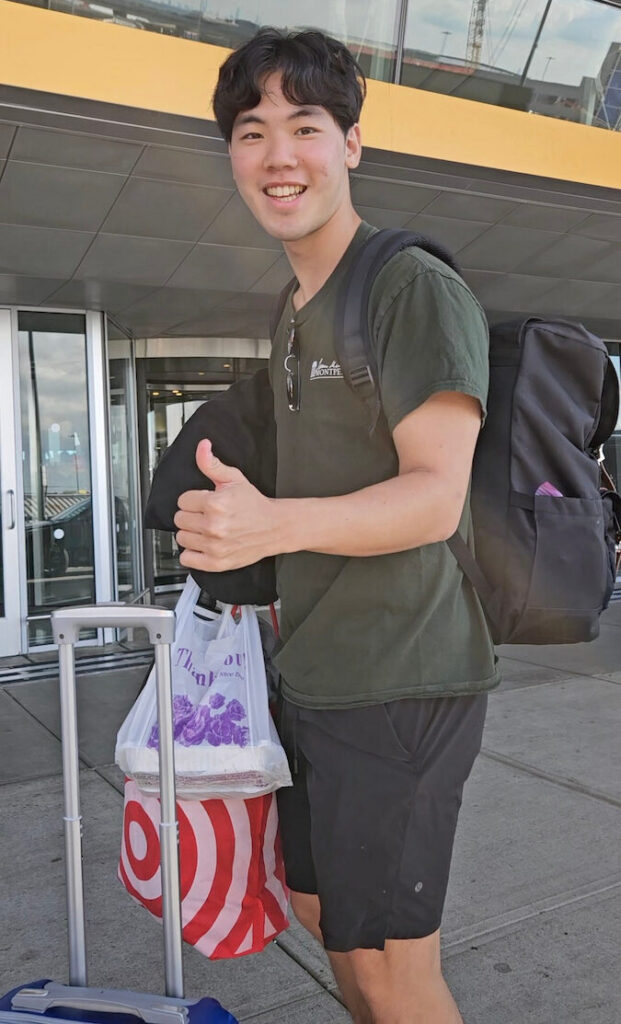
Your checked luggage will probably arrive when you do, but it is still smart to keep a few essentials in your carry-on with you in case it does not. A delayed bag is much easier to deal with when you have enough to get through your first day comfortably.
Keep a small arrival kit in your carry-on with the basics, such as:
- A change of clothes
- Essential medication
- A phone charger
- Basic toiletries
- Anything you absolutely need for your first night
Keep it small and practical. Think about what would make your first 24 hours easier if your checked bag took a little longer to catch up with you. Those are the things worth keeping close.
2. Clothes you wear all the time
The clothes you reach for regularly at home are the place to start. If you wear the same jeans, sweater, jacket, or pair of pants every week now, there is a good chance those pieces will work just as hard abroad.
Ask this test question: Can I wear this in at least three different ways? If the answer is no, think carefully about whether it is worth packing. This approach also makes getting dressed easier once you arrive. When most of your clothes work together, you can create more outfits without bringing more pieces.
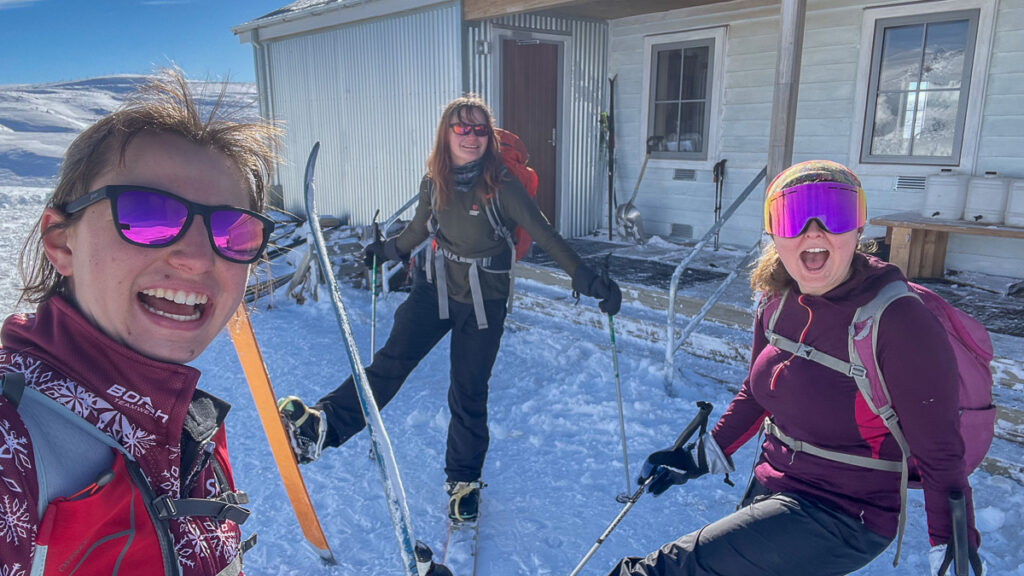

Be sure to research the weather and climate of your destination. Just because it is spring or summer back home does not automatically mean you can expect spring or summer weather while you study abroad.
3. One pair of versatile shoes
Shoes take up a surprising amount of luggage space, so every pair should have a clear purpose.
Start with one pair that you can comfortably wear for long stretches of walking. Depending on your destination, you may spend much more time walking than you do at home, so comfort matters. Ideally, that same pair should also work for class, errands, exploring your city, and casual plans.
From there, add only footwear you know you will use, and avoid packing for hypothetical situations. You may want a nicer pair, sandals, boots, or something more specific depending on the climate and your plans, but you do not need to prepare for every possible activity.
Researching the weather and climate will help. If your destination is wetter, you may want your extra shoes to be rain boots. If you expect to partake in outdoor activities such as hiking or backpacking, hiking boots should be on your packing list.
Ireland is a very rainy country, and a quality, waterproof rain jacket and waterproof sneakers will help you make the most of it. I invested in Vessi tennis shoes, but you might be able to waterproof your sneakers with Scotchgard Fabric Water Shield. I also bought water-repellent leggings—a lifesaver in super rainy weather.
—Paige N, University College Dublin, Ireland

4. A reliable everyday bag
Think about what you carry during a normal day. Your bag may need to hold your phone, wallet, water bottle, materials for class, charger, and a few personal items, and be comfortable enough to carry for hours.
Choose something practical, secure, and, importantly, easy to use. A backpack, crossbody, or tote may work well depending on your routine, but the specific style matters less than whether it fits your day-to-day needs. It can be tempting to pack several bags for different situations, but they often end up doing almost the same job.
Think about your routine rather than potential occasions. If one bag can work for class, errands, and exploring, that is a strong choice.
5. A compact bag for day trips and weekends
Your everyday bag and travel bag don’t have to be the same. A lightweight backpack, foldable tote, or small duffel can come in handy for overnight trips, grocery runs, beach days, hikes, and weekend getaways.
Choose something compact that won’t add unnecessary bulk to your luggage, and check airline carry-on size limits so it can double as a travel bag for shorter trips.
I recommend a backpack. They are great for daily use and can be used as a smaller bag to pack things in for traveling on the weekends.
—Elizabeth T., IFSA University of Auckland Partnership, New Zealand
6. The electronics you use
Bring the technology that already plays a role in your everyday life. For most, that includes a phone, laptop, or tablet, chargers, headphones, a portable charger, and the correct adapter for your destination (do your research so you’re prepared with the right ones).
Packing electronics “just in case” can add weight quickly, especially once you include chargers, cables, cases, and accessories. This is also a good place to stop and think about efficiency. A compact charger or adapter that works across several devices may be more useful than packing multiple bulky accessories that each serve only one purpose.
7. A small supply of anything specific to you
Items like toothpaste and shampoo take up space, add weight, and may create more trouble than they are worth if they leak in transit.
Instead, prioritize things that are more specific to you: prescription medication, a particular contact lens product, specialty skincare, or another item you rely on and may not want to replace immediately.
If you take prescription medication, check the rules for bringing it into your destination country before departure. Some medications may have restrictions, and you should not assume that your prescription or an equivalent product will be available abroad.
The distinction is important: think in terms of hard to replace, not simply possible to buy. If you use a product every day but could easily find an equivalent at your destination, you may only need enough to get through your first few days. If you depend on something very specific, bringing an appropriate supply may make more sense.
For all of my curly girls, bring the products you know work for you. I left my favorite leave-in conditioner and curl cream behind, thinking I could buy a larger supply once I arrived. But the stores and chemists (pharmacies) have few options for curly hair. I spent an embarrassing amount of time scanning every bottle, looking for close equivalents.
—Tallulah S., James Cook University, Townsville, Australia
8. One or two things that make your space feel like yours
Not everything in your suitcase has to be purely practical. You’ll spend a meaningful amount of time in a new room, apartment, or residence, and one or two familiar things can make that space feel more like home. That might be:
- A few printed photos
- A favorite pillowcase
- A small keepsake
- A lightweight decoration
The goal is not to recreate your bedroom at home. It is to choose something small that will make your new space feel more familiar without taking up valuable room.

The biggest question here is luggage space, and it’s best not to bring anything too valuable out of the risk of it being lost or stolen. But small, packable items can help you remember home. For me, that meant two framed pictures, my favorite watch and—yes, I’ll admit it—a stuffed bear.
—David G., Chilean Universities Program, Santiago, Chile
9. A plan for purchases after you arrive
One of the easiest ways to overpack is to assume you need to arrive with every item you might use during the semester—you do not. Before you leave, do some research and make a short buy-it-there list. Depending on your housing and destination, that might include:
- Full-size toiletries
- Laundry supplies
- Hangers
- Basic household items
- Snacks
- Cleaning products
- An umbrella
- Seasonal items you do not need immediately
This helps in two ways: First, it saves space and weight in your luggage. Second, it gives you a chance to see what you actually need before you spend money on it.
10. Empty space
It can be tempting to fill every inch of your suitcase,. But leaving some room gives you much more flexibility once you arrive.
You may buy clothes abroad, bring home gifts, pick up something useful that you never thought to pack, or simply appreciate not having to wrestle your suitcase shut.
Empty space also makes your luggage easier to manage. A suitcase that technically closes but is difficult to lift, reorganize, or move through an airport is not necessarily packed well.
How to fit more without bringing more
Once you’ve decided what deserves a spot in your suitcase, the next step is making the most of that space.
Start by planning outfits rather than packing individual pieces. Choose tops, bottoms, and layers that work well together so you can create more combinations with fewer items. Neutrals can help, but the goal is to pack clothes you genuinely enjoy wearing together.
When possible, wear bulkier items while traveling instead of packing them. Shoes, coats, and sweaters can take up a surprising amount of suitcase space.
Packing cubes can help keep gear organized, while tucking small items inside shoes and filling gaps with lightweight pieces helps maximize every inch. Just remember, organizers can only do so much. The best way to save space is to pack thoughtfully and leave behind anything you’re unlikely to wear.
Now comes the best part: living and learning abroad
Taking time to pack carefully takes effort, but it’s a great way to set yourself up for a smooth start abroad. If you’re close to departure, we wish you a wonderful adventure. If you’re just getting your journey underway and haven’t found your destination yet, take the next step and explore study abroad programs to find options that match your interests and goals.