Beyond iconic beaches and wildlife, study abroad in Australia also offers rich cultural experiences and unique academic expectations.
This guide walks you through what to expect and how to make the most of your study abroad experience in Australia.
Why Australia is a top study abroad destination
Australia is a popular destination for students seeking high-quality academics paired with an outdoor-focused lifestyle and global perspective.
Academic excellence. Known for strong research output and global recognition, Australian universities include internationally respected universities such as the University of Melbourne, the University of Sydney, and the University of Queensland. These institutions attract students from around the world and offer rigorous academic environments across a wide range of disciplines.
Cultural diversity. Australia offers a deeply multicultural experience. Indigenous cultures and decades of global immigration have shaped a society that values diversity and inclusion. This carries into campus life, where international students often find communities that are welcoming and globally minded.
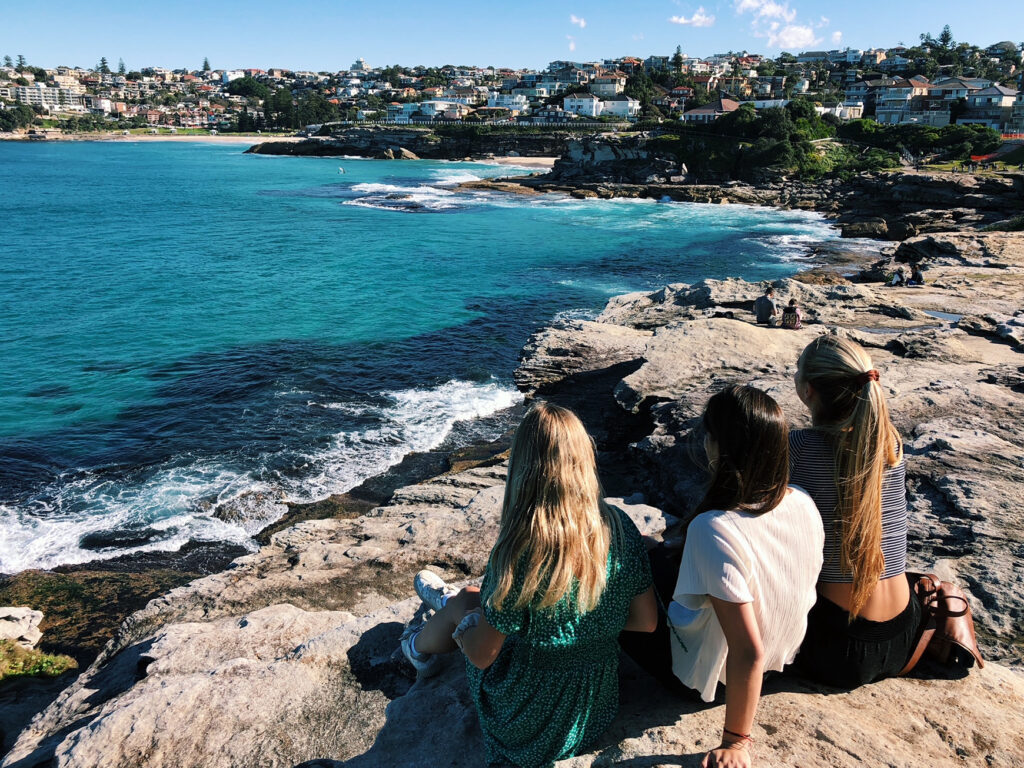
Natural landscapes and modern cities. Australia’s appeal also comes from its balance of modern cities and dramatic natural environments. Whether you’re studying in a major urban center or a smaller coastal city, you’ll experience a culture that blends academic focus with outdoor living.
Australia 101
Australia is both a country and a continent, made up of six states and two major mainland territories. While governed as a single nation, each state and territory has its own local government, education systems, and regional identity.
Each region offers a distinct cultural atmosphere, academic environment, and lifestyle—making it worth exploring your options before choosing where to study abroad. Learn more about the states below where IFSA offers programs:
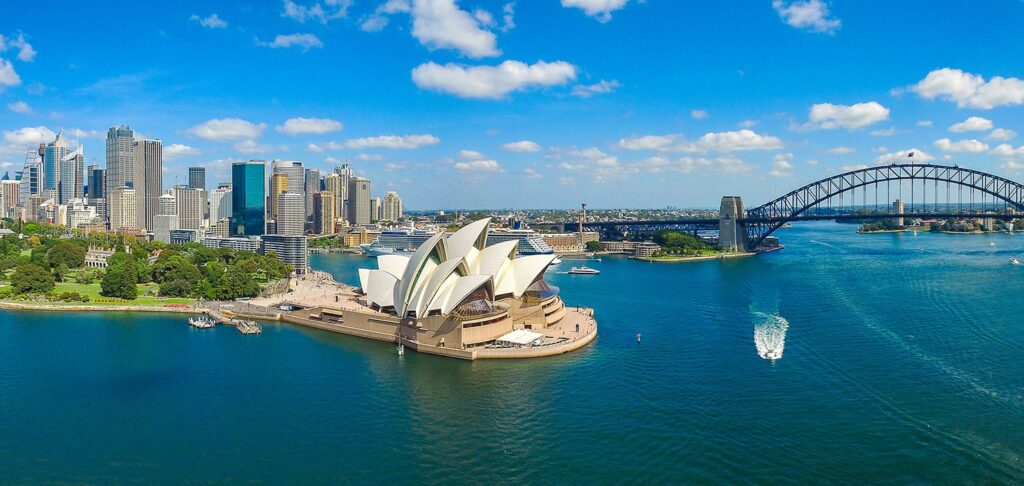
New South Wales. Home to Sydney, New South Wales offers large research universities, global connectivity, and easy access to coastal landscapes. Students are drawn here for academic prestige, professional pathways, and a fast-paced metropolitan experience.
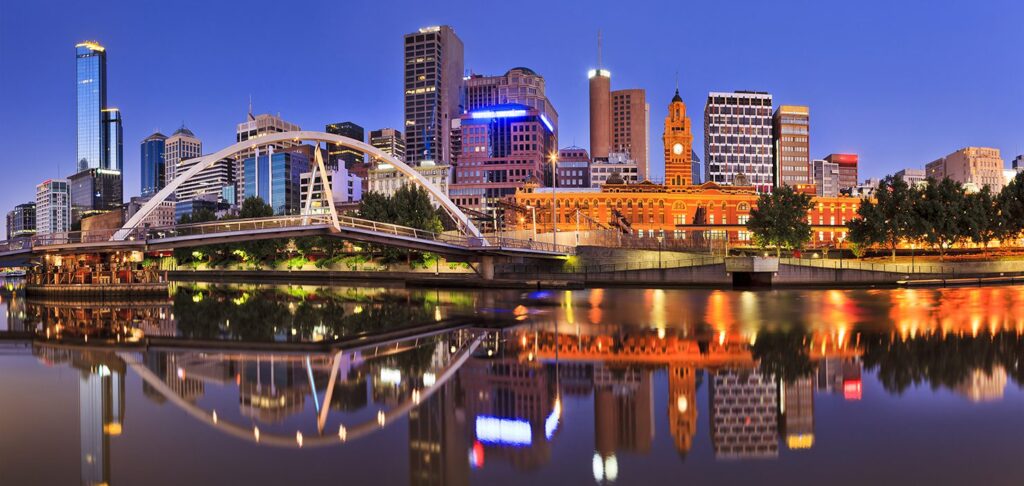
Victoria. Centered around Melbourne, Victoria is known for its arts scene, culture, and well-established universities. The state appeals to students seeking an academically focused environment shaped by culture, community, and urban life.
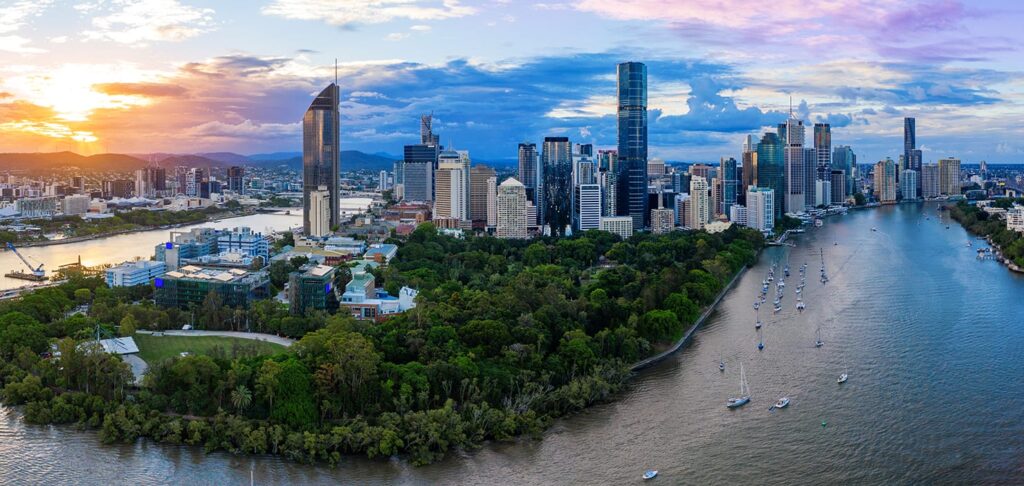
Queensland. Known for its warm climate and proximity to the Great Barrier Reef, Queensland offers universities with strengths in research and environmental studies, alongside a more relaxed pace of life.
South Australia. Celebrated for its laid-back lifestyle, vibrant arts scene, and easy access to stunning coastlines and natural landscapes.
Academic differences
Understanding the academic landscape in Australia is essential. While instruction is delivered in English, the structure, expectations, and assessment style may differ from what you’re used to.
Instruction and grading approach
In Australia, universities award undergraduate and graduate degrees, with most bachelor’s degrees taking just three years to complete. Learning places a strong emphasis on independent study and critical thinking, meaning you’ll spend a significant portion of your time reading, researching, and preparing outside of scheduled classes.
Lectures and tutorials are the main forms of teaching. Rather than frequent quizzes or homework, final grades often depend on a smaller number of major assessments, such as essays, projects, presentations, or exams. STEM students may have labs and practical components, while humanities and social-science courses tend to focus more heavily on written analysis and research.
Before you arrive, understanding these academic expectations can help you adjust to a more self-directed learning environment. Australian universities also offer academic and career support services, including advising, writing assistance, and career resources.
Cultural adjustment and daily life
Language. English is the primary language spoken in Australia, but you’ll quickly notice regional accents, slang, and informal communication styles. Learning common expressions can make navigating both academic and social settings easier.
Weather and climate. Australia’s climate varies by region, from temperate southern cities to tropical northern areas, with eastern regions experiencing subtropical weather—hot, humid summers and mild winters. Packing with your destination and season in mind can help you stay comfortable as you settle into daily life.
Cultural traditions and festivals. Australia offers many opportunities to engage in cultural and social life through local events, festivals, and community gatherings. Public celebrations, outdoor markets, and sporting events play a major role in social life, giving you many ways to connect beyond the classroom.
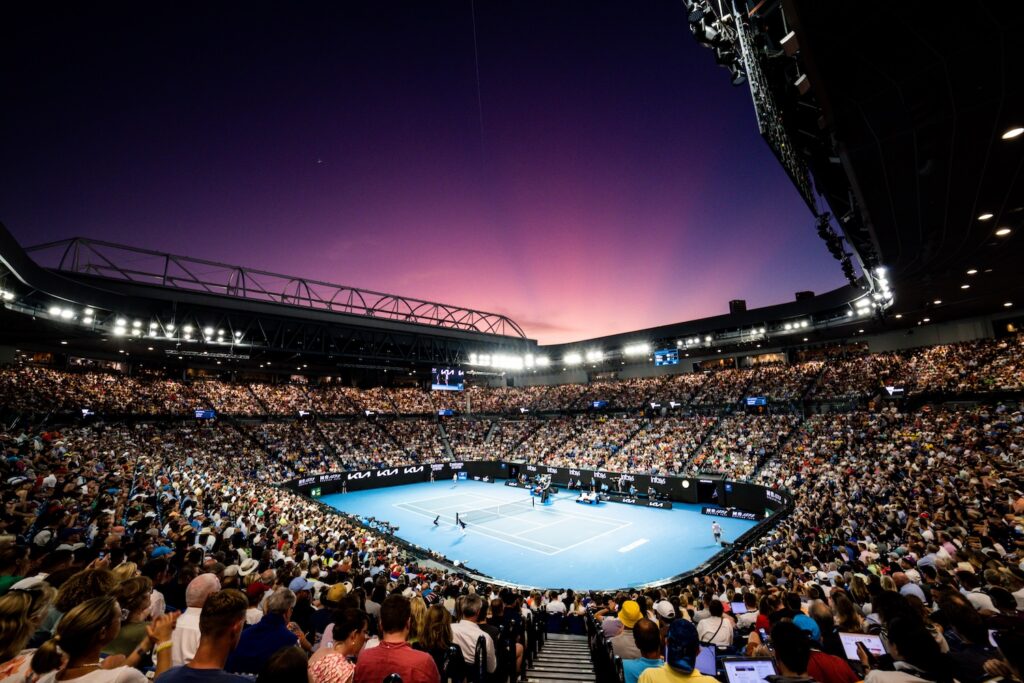
Australian Open, Victoria. This famous Grand Slam tennis tournamenttakes place in Melbourne over the last two weeks of January and attracts tennis fans from across the globe.
Sydney New Year’s Eve, New South Wales. One of the world’s most well-known New Year’s celebrations. As well as being one of the largest public events, it also has a massive fireworks show, launching over nine tons of spectacular fireworks over the harbor.
Melbourne International Comedy Festival, Victoria. One of the world’s largest comedy festivals, typically running for several weeks in the autumn. The festival features close to 700 shows and thousands of performances in numerous venues across the city.
Vivid Sydney, New South Wales. An annual festival of light, music, and ideas taking place from late May to early June. The festival features live performances, workshops, and light projections on some of the most iconic buildings across the city.
Adelaide Fringe Festival, Southern Australia. During February and March, Adelaide hosts Australia’s biggest arts festival with theatre, music, circus, and street performances.
Study abroad in Australia with IFSA
With IFSA, you’ll combine academics with cultural immersion, exploring campus life, local neighborhoods, and stunning landscapes beyond the classroom.
Cost of living and budgeting
Living costs in Australia vary depending by location, with major cities generally more expensive than smaller communities. Planning ahead and understanding typical expenses can help you manage your budget throughout your program.
Before your program begins, it’s important to account for everyday expenses and understand how currency exchange may affect your spending. Support resources and student discounts, including transportation and cultural attractions, can help make expenses more manageable.
Keep in mind that IFSA-designed programs provide short-term, cost-effective options, and location-based funding opportunities may be available to help make your study abroad experience possible.
For example, students may be able to reduce their costs by $2,000-$10,000, depending on the scholarship. Awards range from $2,000 equity scholarships at the University of Melbourne to an equity scholarship of up to $10,000 at the University of Sydney, which includes both tuition and travel support.
Historically, IFSA students have taken advantage of student discounts while abroad in Australia, including reduced public transportation fares and discounted entry to cultural attractions. Many cities also offer public spaces, beaches, and outdoor activities that allow for memorable experiences without added cost.
Want to work in Australia while you study abroad?
Before seeking employment, review your visa conditions carefully. Some students are permitted to work part-time during their program with additional hours during scheduled breaks. Understanding these guidelines ahead of time will help you stay compliant while abroad.
Start your journey
Studying abroad in Australia places you in an academic setting that values independent thinking, real-world application, and global awareness. Combined with a culturally diverse population and an outdoor-oriented lifestyle, students gain perspective both inside and outside the classroom. Whether you’re engaging with research universities, adapting to new ways of learning, or navigating dailylife in a global context, Australia offers space to grow, test ideas, and build confidence.
“Sunrise mountain hikes, rainforest excursions with IFSA, and long runs at the beach were now a part of my new everyday reality. Looking back at those experiences, I can’t help but smile at the transformation I underwent in those few months. I basically discovered a world beyond my own, a world brimming with diverse cultures, flavors, and perspectives.” —Anita S., University of Queensland, Australia.
When you’re ready, IFSA is here to support your journey and help make your study abroad experience in Australia both achievable and meaningful. Get started by exploring our Australia programs.