
10 Common Study Abroad Myths

Before you decide study abroad is too expensive, too difficult to fit into your degree, too competitive, or simply not right for you, take a closer look at 10 common study abroad myths—and get the facts.
Myth 1: Study abroad is too expensive.
There is no single price tag for studying abroad.
The cost depends on the program you choose, where you study, the length of your program, tuition, and whether you receive financial aid. One number rarely tells you everything you need to know.
With IFSA, program fees include housing and utilities, academic fees, academic support, health and travel insurance, predeparture and on-site orientation, visa support, excursions and activities, and an official transcript. Students are responsible for additional expenses such as airfare, passport fees, local transportation, daily living expenses, personal travel, and discretionary spending.
That gives you a much more useful starting point for evaluating affordability—what does this particular program cost, what is already included, and what would I still need to pay for?
The answer may look different from one program to the next. Before deciding that study abroad is out of reach, look at the complete estimated cost of the programs you are actually considering.
Want to learn more? Check out Breaking Down the Numbers: How Much Does Study Abroad Really Cost? and Is Study Abroad Too Expensive? Understanding the Cost and How to Budget. Both articles go into more detail about cost.


Myth 2: Financial aid opportunities for study abroad are limited.
Cost of a program is only aspect of the total p study abroad price tag, because financial assistance may be available.
IFSA offers scholarships and grants for eligible students, and more than one in three IFSA applicants receives scholarship or grant funding. Students can also explore outside scholarship opportunities.
Financial aid that you’re receiving now may also be part of the equation. Many students can apply federal financial aid they already receive toward study abroad, including eligible Stafford Loans, Pell Grants, and Parent PLUS Loans.
The important qualification is that financial aid policies vary by institution. Your home university determines which aid can be used and how it will be applied, and some institutional aid may not transfer.
Talk with your financial aid and study abroad offices early, explore IFSA scholarships and grants, look at outside funding opportunities, then determine what the program would actually cost you.
Want to learn more about study abroad scholarships? Check out Your Guide to Study Abroad Scholarships for a complete breakdown.


Myth 3: Most students study abroad in cities like London or Rome, so I should too.
Study abroad can extend much farther than a short list of familiar locations.
IFSA currently offers 120 programs across 18 countries and 47 cities. Options include Argentina, Australia, Chile, China, Costa Rica, Cuba, Czech Republic, England, Ireland, Italy, Mexico, New Zealand, Peru, Scotland, Spain, Sri Lanka, the United States, and Wales.
That opens up another question—what destination do you want from study abroad? Location can connect with your academic interests, budget, language goals, housing preferences, career goals, and the daily experience you want. The place you recognize first may not be the place that fits you best.
Check out the full range of destinations, then compare them based on what actually matters to you.
Myth 4: Study abroad will keep me from graduating on time.
Going abroad does not automatically mean adding time to your degree. But staying on track is something to plan for—not something to leave until after you choose a program.
IFSA’s academic resources are designed to help students identify coursework that supports degree progress. Through CHART, students can search courses and see classes their college or university has previously approved for other students on the same program. IFSA also provides class-matching support to help students identify potential equivalents abroad.
Your home school is an essential part of that process. Before going abroad, you will need to understand your degree requirements, course approvals, and how credit will transfer.
Timing can make a difference, too. IFSA offers semester, academic-year, summer, January, and other program formats. Shorter-term options may provide another path when a semester abroad does not work with your academic sequence. Explore Short-Term Summer Study Abroad Programs: How to Maximize Your Summer, or Can You Study Abroad in Winter? Why a Short-term January Program Might Be Right for You.
Instead of asking only, “Will studying abroad delay graduation?” try asking your advisor and study abroad staff, “Where can study abroad fit into my degree plan?”
“If you talk to your academic advisor and contact IFSA staff, it is likely that you can find a program that accommodates your degree needs! IFSA also has an expert Curriculum Integration team who is ready to help any student match a study abroad program to the specific requirements for their major. So if you are not sure, just ask!”
—Unique W.X., Queen Mary, University of London Partnership, England
Interested in learning more? Check out Can All Majors Study Abroad? Absolutely, Here’s How for a deeper look at common misconceptions and the realities of studying abroad across different fields of study.


Myth 5: It’s difficult to get accepted into a study abroad program.
The words “study abroad application” can make the process sound more rigorous than it is. Study abroad programs do have eligibility requirements. But most are not highly competitive, and most IFSA programs are open to qualified applicants.
Programs that partner with elite universities like the University of Oxford and University College London are selective, with additional requirements for admission.
Application requirements vary as well. Almost all IFSA applications require an academic transcript, valid passport copy, and course selection form. Certain programs and scholarships require additional materials, such as a personal statement. Check out our guide, How to Apply to Study Abroad Programs: Tips for a Strong Application, to learn more about the application process and what is required.
You also do not have to navigate that process without support. Every day, IFSA Enrollment Counselors help students understand program fit, deadlines, application requirements, and what they need to submit.
Rather than treating acceptance as an unknown hurdle, start with something concrete: What does the program I am interested in actually require?
Myth 6: My major makes study abroad impossible.
It’s true that some majors require more planning than others. Depending on your degree, you may need to think carefully about course sequencing, prerequisites, credit transfer, or when studying abroad fits within your academic schedule.
That makes academic fit an important part of choosing a program. IFSA recommends working with your home university’s study abroad office and academic advisor while using IFSA resources to identify programs and coursework that align with your field.
There are also options across a wide range of academic areas, which include fields and topics that you might assume are difficult to take abroad. IFSA’s current engineering, computer science, and math resources identify more than 100 potential programs and more than 4,000 recently taken classes tagged to those subjects in CHART, depending on how a student’s institution works with IFSA. This makes it easier to find a program that fits your academic requirements.
And if a full semester does not fit your academic sequence, shorter summer, January, or quarter options may offer another possibility.
“Before going abroad, I was worried about losing my “extracurricular progress” at my home university. I am the president of several organization and at the time I was a resident advisor. I thought I was going to lose all that if I studied abroad. While I did step down from my resident advisor position (which I didn’t particularly enjoy in the first place), getting involved with those clubs abroad made me feel better prepared to lead the clubs I was a part of and passionate about at my home university”
—Nico C., University College London Partnership, England
Are you a STEM student wondering if study abroad is possible? Check out Yes, STEM Students Can Study Abroad: Opportunities, Programs, and Tips.

Myth 7: Study abroad means putting my career goals on hold.
Studying abroad and preparing for your career do not have to happen at separate times.
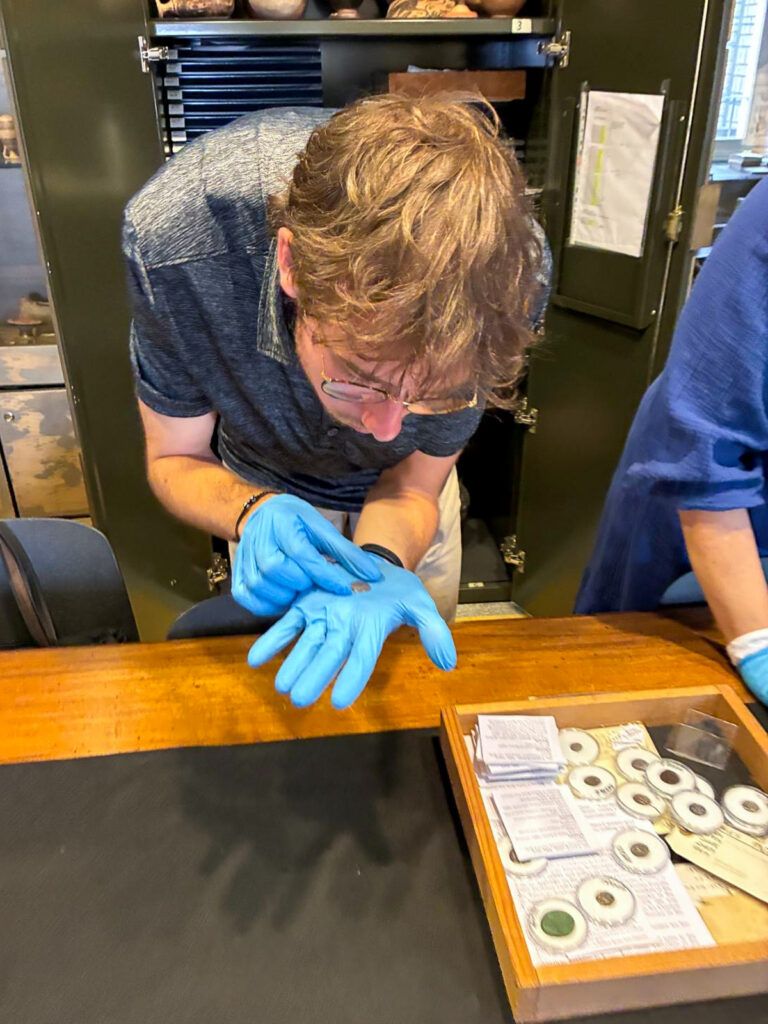
Depending on the IFSA program, experiential learning opportunities might include internships, directed research, student teaching, challenge projects, and volunteering. Because these opportunities vary by program, these learning opportunities can help you narrow down your options.
IFSA also offers Career Accelerator programs designed around applied learning and career development.
As you compare programs and opportunities, think about what coursework could support your professional goals. Think about what coursework supports your interests. Does the location connect with topics you want to explore academically and professionally?
If you want to explore how study abroad can connect with your career goals, start with Study Abroad as a Career Investment, then learn more about IFSA’s Experiential Learning opportunities, Career Accelerator programs, international internships, or research-based study abroad options.
Myth 8: Future employers may not value my study abroad experience.
Putting “study abroad” on your resume is not the end of the story. The value comes from being able to explain what you actually did, learned, and developed while you were abroad—and how those experiences connect with the professional opportunity you are pursuing.
Depending on your experience, that could include gaining independence, problem-solving, adaptability, communication, global awareness, teamwork, leadership, language proficiency, research, or analytical skills.
You may also have specific examples from your experience abroad that highlight your strengths: an internship, research project, volunteer experience, academic project, or challenge you navigated while living and learning somewhere new. That is much more useful to an employer than simply saying studying abroad was meaningful.
IFSA’s career guidance recommends connecting specific skills and experiences with the requirements of a job or graduate program and explaining your actions and results clearly.
Be ready to tell the story of what you gained. Check out How to Include Study Abroad on Your Resume and How to Explain Your Study Abroad Experience in Job Applications and Interviews.

Myth 9: Choosing a destination is the most important step.
It is easy to start your study abroad search with a place in mind. Maybe there is a country you have always wanted to visit or a city you already know you would love to experience. Location absolutely matters—you are choosing somewhere you will live, study, and spend a significant part of your time abroad. But the destination is only part of the decision.
The program you choose also needs to work with your academic goals, degree requirements, preferred program format, budget, and what you want to gain from studying abroad. Depending on your priorities, you may also want to consider opportunities for internships, research, volunteering, language learning, or other forms of experiential learning.
That means the program that fits you best may not necessarily be in the destination you considered first. Instead of beginning with only “Where do I want to go?”, try asking:
“What do I want from my study abroad experience—and where can I find a program that gives me that?”
Starting with that question can help you compare your options based on the complete experience rather than the destination alone.
Want to dig deeper? Ten Factors to Consider When You Choose Your Study Abroad Destination walks through academic fit, daily life, and long-term value, or you can explore IFSA programs to compare your options.
Myth 10: International travel offers the same experience for less money.
International travel and study abroad can both give you opportunities to spend time in another country, but they are not the same type of experience, so comparing their price tags does not tell you which one offers the experience you want.
Independent travel can absolutely be valuable. But an independent trip and a structured study abroad program are built around different purposes and lead to different benefits. If your goals include earning academic credit, access to academic and local support, and the structure of an educational program, an IFSA study abroad experience provides components that independent travel does not inherently include.
Want to see what goes into an IFSA study abroad experience? Explore What’s Included or learn more about Experiential Learning opportunities.
Start your journey
Before deciding study abroad is too expensive, look at the costs and funding available to you. Before deciding your major will not work, look at the programs and courses available. Before worrying that you will not be accepted, review the actual requirements. Before choosing a familiar destination, compare what different locations could offer.
If you still have questions, ask them. IFSA provides Enrollment Counselors, academic resources, program information, and planning tools designed to help you understand your options and figure out what could work for you.